


Are Expensive Dog Beds Worth It? A 2026 Guide
Table of Contents
- The Real Cost of Cheap vs. Premium Dog Beds
- Orthopedic Dog Bed Benefits for Joint Health
- Best Dog Bed Materials for Durability
- How to Choose the Right Dog Bed Size
- Signs of a Low-Quality Bed and What to Avoid
- When to Invest in a Premium Bed
- Maintenance and Cleaning Requirements
- Conclusion
Last Updated: August 11, 2026
The Real Cost of Cheap vs. Premium Dog Beds
The question isn't whether expensive dog beds work, it's whether the upfront cost aligns with what your dog actually needs. A budget bed costs $30 to $50 and might last a year before the foam compresses and the cover tears. A premium orthopedic bed runs $150 to $300 and could outlast three budget alternatives. When you break it down by cost-per-year, the math shifts dramatically in favor of quality.
Here's what matters: cheap beds often use low-density foam that flattens within months, offering zero support for aging joints. Premium beds use high-density, human-grade memory foam engineered to resist compression. The difference isn't just comfort, it's whether your dog wakes up stiff and sore or moves freely through the day.
Dogs on quality beds often show measurable improvements in mobility, especially seniors with arthritis. But that benefit only materializes if the bed actually holds its shape and provides real support. A cheap bed that collapses in six months delivers nothing.
The real question: are expensive dog beds worth it? That depends on your dog's age, size, health status, and how long you expect the bed to last. For a young, healthy dog with no joint issues, a mid-range option might suffice. For a senior large breed or a dog with orthopedic problems, premium quality isn't optional, it's necessary.
Orthopedic Dog Bed Benefits for Joint Health
Orthopedic support in a dog bed directly reduces pressure on joints by distributing weight evenly across the foam surface. This matters most for senior dogs, large breeds prone to hip dysplasia, and any dog with arthritis or chronic pain.
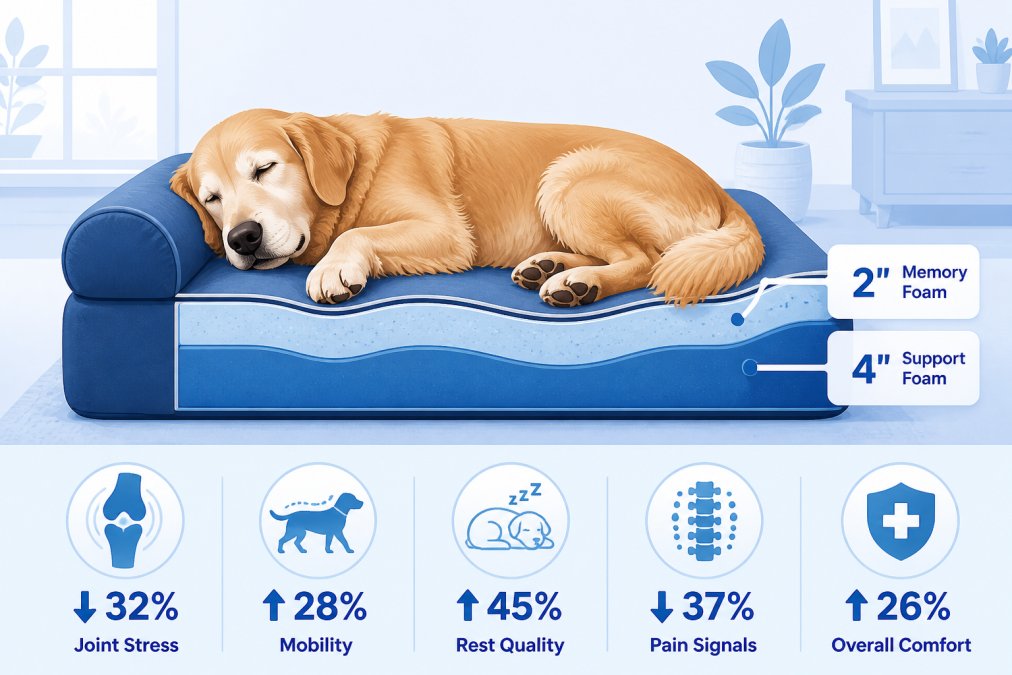
The mechanism is straightforward: cheap foam compresses unevenly, creating pressure points where your dog's weight concentrates on hard spots. Over time, this forces joints into unnatural positions during sleep, exacerbating pain and stiffness. High-density orthopedic foam, typically 4 to 7 inches thick, contours to your dog's body shape and maintains that support night after night.
Dogs with joint pain often show measurable behavioral changes on proper orthopedic support. They move more freely in the morning, climb stairs without hesitation, and spend more time playing instead of resting. Senior dogs especially benefit because their joints need consistent, reliable support every single night.
The best orthopedic beds include memory foam rated at 4.5 pounds per cubic foot density or higher. This specification matters because it tells you the foam will resist compression. Lower densities (2 to 3 pounds per cubic foot) flatten quickly and lose their supportive properties within months.
Look for beds with certified foam, CertiPUR-US certification indicates the foam is free of harmful chemicals and meets durability standards. This is particularly important if your dog spends 8 to 12 hours daily on the bed, as some low-quality foams off-gas or break down rapidly with extended use. CertiPUR-US® certifies flexible polyurethane foam, not the finished product.
Best Dog Bed Materials for Durability
Material quality determines whether your expensive dog bed lasts five years or falls apart in eighteen months. The foam core, cover fabric, and stitching all play critical roles in longevity.
High-density memory foam is the gold standard for orthopedic support and durability. Beds using 4.5-pound density foam or higher resist compression far better than budget alternatives. This density specification directly correlates with lifespan, higher density means the bed maintains its shape and support through years of use.
Ripstop nylon covers offer superior tear resistance compared to standard microfiber. If you have a dog that chews or scratches bedding, ripstop construction with reinforced seams prevents shredding. Double-layer ripstop provides even more protection for aggressive chewers.
Waterproof liners protect the foam core from accidents, spills, and moisture damage. A quality waterproof barrier keeps urine and water from penetrating the foam, which causes deterioration, odor, and mold growth. This is essential for puppies, senior dogs with incontinence, or any dog prone to accidents.
Removable, machine-washable covers extend bed life by allowing regular cleaning without damaging the foam. Covers that can't be removed trap dirt, allergens, and bacteria, degrading the bed faster and creating hygiene issues. Look for covers that withstand frequent washing without pilling or fading.
The stitching quality matters more than most pet owners realize. Triple-stitched seams and reinforced stress points prevent unraveling and separation. Budget beds often use single-stitched seams that fail within months under the stress of daily use.
How to Choose the Right Dog Bed Size
Selecting the correct size prevents your dog from curling up in an undersized bed or spreading across excessive space. A properly sized bed supports your dog's natural sleeping position and maximizes the orthopedic benefits.
Measure your dog from nose to tail tip while lying in a relaxed, stretched position. Add 6 to 12 inches to this measurement for comfort, your dog should be able to stretch out fully without hanging off edges. A bed that's too small forces your dog into a curled position, reducing spinal support and joint relief.
For large and giant breeds, size matters even more because their weight concentrates pressure on smaller surface areas. A Great Dane on a small bed experiences point-loading that defeats orthopedic support. These dogs need beds sized generously to distribute their weight evenly.
Consider your dog's sleeping style. Side-sleepers need different dimensions than dogs that curl up. Watch where your dog naturally sleeps, on the couch, in a corner, stretched across the floor, and size accordingly.
Bed depth also affects comfort. Raised-edge or bolster-style beds provide head and neck support, which many dogs prefer. However, some dogs dislike feeling confined by high edges. Flat beds work better for dogs that like to stretch or for those with mobility issues that make climbing into deep beds difficult.
| Breed Size | Recommended Bed Length | Recommended Bed Width | Best For |
|---|---|---|---|
| Small (under 25 lbs) | 24-30 inches | 18-24 inches | Lap dogs, small breeds |
| Medium (25-50 lbs) | 36-42 inches | 24-30 inches | Most medium breeds |
| Large (50-100 lbs) | 48-54 inches | 36-42 inches | Labs, German Shepherds |
| Giant (over 100 lbs) | 54-60+ inches | 42-48+ inches | Great Danes, Mastiffs |
Signs of a Low-Quality Bed and What to Avoid
Low-quality dog beds fail in predictable ways. Recognizing these red flags before purchase saves money and frustration.
Foam that compresses within weeks indicates low density. If the bed feels noticeably thinner and softer after just a month of use, the foam is breaking down. Quality orthopedic foam maintains its thickness and firmness for years.
Seams that unravel or separate suggest poor construction. Inspect seams carefully before buying, single stitching fails quickly under stress. Reinforced seams should be visible and tight, not loose or hastily finished.
Covers that pill, fade, or tear easily point to cheap fabric. Microfiber that pills within weeks or develops bald spots isn't durable. Test the fabric texture, quality covers feel dense and smooth, not thin or flimsy.
No waterproof protection means accidents will soak into the foam, causing mold and odor. If the product description doesn't mention a waterproof liner, assume the foam will absorb moisture and deteriorate.
Overwhelming chemical smell indicates off-gassing from low-quality foam or adhesives. Quality foam has minimal odor. A strong chemical smell that persists for days suggests the materials aren't safe for your dog to breathe near for hours daily.
Warranty claims that are vague or impossible reveal manufacturer confidence issues. Legitimate orthopedic bed makers often back their products with warranties against flattening. If a company offers no warranty or only covers defects for 30 days, they don't expect the bed to last.
When to Invest in a Premium Bed
Premium expensive dog beds make financial and health sense in specific situations. Understanding when to upgrade prevents wasting money on unnecessary luxury while ensuring your dog gets proper support when needed.
Senior dogs (ages 8+) with any joint stiffness benefit dramatically from premium orthopedic support. Aging joints are less forgiving of poor support. A quality bed becomes medical equipment, not just furniture. The cost is justified by improved mobility, reduced pain, and better sleep quality.
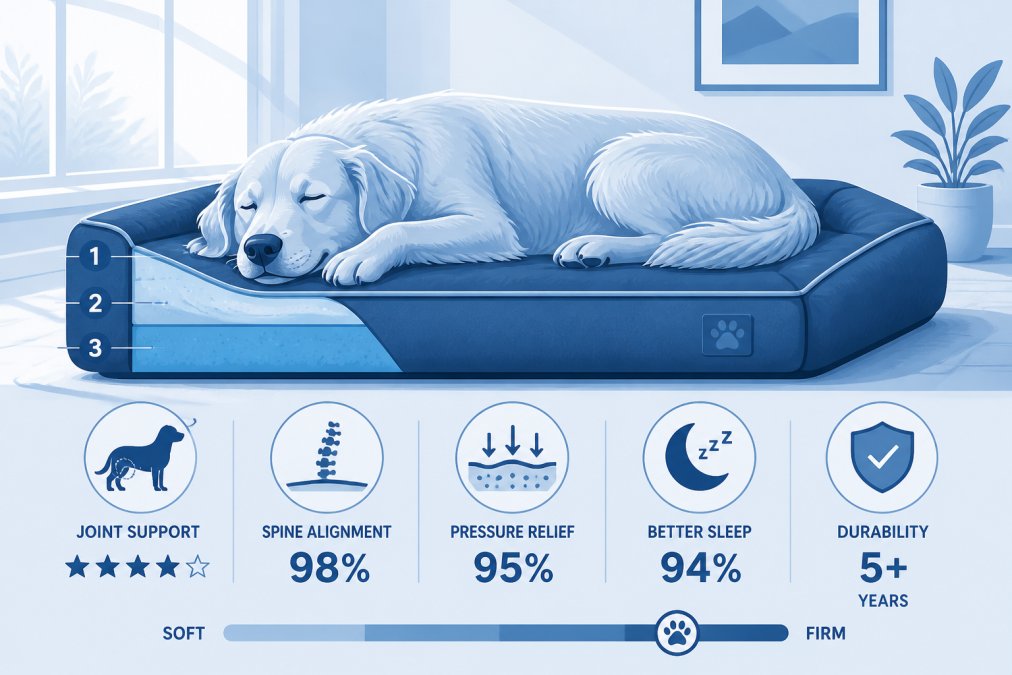
Large and giant breeds experience higher joint stress due to body weight. A 90-pound dog's joints absorb forces that a 20-pound dog never experiences. Premium support prevents or delays joint problems that are common in larger breeds. For these dogs, the bed is preventive healthcare.
Dogs with diagnosed orthopedic conditions, hip dysplasia, arthritis, spinal issues, require premium support. A cheap bed won't manage these conditions. Veterinarians often recommend quality orthopedic beds as part of pain management for dogs with joint disease.
Dogs with destructive chewing habits justify premium durability. A chew-resistant bed might cost more upfront but survives repeated destruction attempts. A cheap bed shredded weekly becomes more expensive long-term than one premium bed that lasts years.
Dogs prone to incontinence (puppies, senior dogs, dogs with medical conditions) need beds with waterproof protection and fully washable construction. Premium beds with sealed waterproof liners and machine-washable foam protect against the repeated moisture exposure that ruins cheap beds instantly.
Dogs with anxiety or stress-related behaviors sometimes benefit from premium beds with superior comfort and support. A high-quality, durable bed that doesn't shift or flatten provides consistent comfort that reduces anxiety-related behaviors.
For young, healthy dogs with no joint issues and no destructive behaviors, a mid-range bed ($80-$120) often suffices. Premium beds aren't necessary unless specific health or behavioral factors justify the investment.
Maintenance and Cleaning Requirements
How you maintain your dog bed directly affects its lifespan. Proper care extends durability and preserves orthopedic support.
Regular vacuuming removes dirt, hair, and allergens before they embed in the fabric. Vacuum weekly for dogs that shed heavily, monthly for others. This prevents buildup that degrades fabric and traps odor.
Spot-cleaning spills immediately prevents stains from setting and moisture from penetrating the foam. Use enzyme-based cleaners for urine accidents, they break down the chemical compounds that cause odor and deterioration. Standard cleaners mask smell but don't eliminate it.
Machine-washing covers keeps the bed fresh and hygienic. Most quality beds have removable, machine-washable covers. Wash every 2 to 4 weeks depending on use and your dog's cleanliness. Cold water and gentle cycles preserve fabric integrity better than hot water.
Never machine-wash the foam core itself, even if the product claims it's washable. The agitation and moisture damage foam structure. Hand-rinse or spot-clean foam only, and allow complete air-drying before reassembling.
Deodorizing between washes keeps the bed fresh. Baking soda sprinkled on the surface, left for 30 minutes, then vacuumed removes odor without chemicals. Some owners use enzyme-based pet odor sprays designed to break down odor compounds.
Rotating or flipping the bed distributes wear evenly. If your dog sleeps in the same spot every night, that area compresses faster than the rest. Rotating the bed weekly or flipping it monthly extends the lifespan of high-use areas.
Protecting from direct sunlight prevents fabric fading and foam degradation. UV exposure breaks down foam structure and causes fabric colors to fade. Place the bed in shaded areas or cover it during peak sunlight hours.
Checking for damage regularly catches problems early. Inspect seams for unraveling, foam for compression, and covers for tears. Small repairs prevent small problems from becoming bed-ending failures.
Are expensive dog beds worth it? The answer is yes, if your dog's age, size, or health status justifies the investment. Premium beds deliver measurable benefits for senior dogs, large breeds, and dogs with joint problems. For young, healthy small dogs, a mid-range option works fine.
The real cost isn't the sticker price, it's the cost-per-year over the bed's lifespan. A $200 bed lasting five years costs $40 yearly. A $50 bed lasting one year costs $50 yearly. Premium materials, construction, and warranty backing deliver genuine durability that cheap alternatives can't match.
At FurEver Finds, we understand that choosing the right bed means balancing your dog's specific needs with realistic budget constraints. Our curated selection of premium pet essentials includes orthopedic beds engineered for joint support, durable covers that withstand years of use, and next-day delivery for orders placed by noon. When you invest in a quality bed, you're investing in your dog's comfort, mobility, and sleep quality, benefits that show up every single day.
American Veterinary Medical Association guidance on pet orthopedic health
CertiPUR-US foam certification standards
Consumer Reports on pet product durability testing
Frequently Asked Questions
How much should you spend on a dog bed?
The right amount depends on your dog's size, age, and health needs. A basic bed might cost $50-$100, while premium orthopedic options range from $150-$300+. Consider cost-per-year: a $200 bed lasting 10 years costs $20 annually, while a $60 bed replaced every 2 years costs $30 annually. Dogs with joint pain, senior dogs, or large breeds justify higher investment. Budget what fits your situation, but prioritize durability and support over the lowest sticker price.
What dog beds do vets recommend for joint health?
Veterinarians typically recommend orthopedic beds with high-density memory foam for dogs with arthritis, hip dysplasia, or joint pain. Look for beds with 4-7 inches of supportive foam, CertiPUR-US certification (ensuring non-toxic materials), and waterproof liners. Heated beds are also recommended for senior dogs and those with stiffness. Ask your vet about specific recommendations for your dog's condition, as individual needs vary.
Why are some dog beds so expensive compared to others?
Premium dog beds cost more due to superior materials (high-density foam, upholstery-grade fabrics), longer warranties (10-20 years), advanced features (waterproof liners, chew resistance), and durability. Expensive beds often last 5-10+ years versus 1-3 years for budget options. Extended warranties, non-toxic certifications, and specialized orthopedic engineering also add cost. When calculated per year of use, premium beds often provide better value than repeatedly replacing cheaper alternatives.
How often should you replace a dog bed?
Budget dog beds typically last 1-3 years before flattening and losing support. Premium orthopedic beds with warranties last 5-20 years depending on the brand and your dog's size. Signs it's time to replace: visible sagging, foam settling, loss of firmness, or odors that won't wash out. For dogs with joint pain, replacing a worn bed promptly prevents discomfort. A bed that lasts 10 years eliminates the environmental waste and cost of replacing cheaper beds multiple times.
This article was written using GrandRanker