


Best Interactive Dog Toys for Independent Play
Table of Contents
- Why Interactive Dog Toys for Independent Play Matter
- Interactive Dog Puzzle Toys That Engage and Challenge
- Treat-Dispensing Dog Toys for Mental Stimulation
- Durable Toys for Active Solo Play
- How to Encourage Independent Play in Dogs
- Safe Toys for Dogs Home Alone
- Matching Toys to Your Dog's Size and Play Style
- Maintaining and Replacing Your Dog's Interactive Toys
- Frequently Asked Questions
Last Updated: October 15, 2026
Why Interactive Dog Toys for Independent Play Matter
Dogs left alone need more than a quiet space. They need engagement that keeps their minds sharp and their energy channeled productively. Interactive dog toys for independent play serve a crucial purpose: they transform solo time from a source of boredom and anxiety into an opportunity for mental enrichment and physical activity.
When dogs lack stimulation, destructive behaviors follow. Chewing furniture, excessive barking, and separation anxiety often stem from understimulation rather than disobedience. The right toy changes that dynamic entirely. It gives your dog a purpose during alone time, something that demands their attention and rewards their effort.
We at FurEver Finds have curated a selection of interactive dog toys designed specifically for solo play. These aren't passive toys your dog abandons after five minutes. They're problem-solving tools that engage natural instincts, dispense rewards, and keep dogs mentally occupied for extended periods.
Interactive Dog Puzzle Toys That Engage and Challenge
Puzzle toys tap into your dog's natural problem-solving drive. Unlike simple fetch toys, these require active thinking. Your dog must manipulate the toy, figure out how it works, and persist through small failures to reach the reward.
Puzzle toys work because they mimic foraging behavior. In the wild, dogs spend hours working for food. A puzzle toy compresses that instinct into a manageable timeframe, giving your dog meaningful work to do. The mental effort exhausts them in the way physical exercise alone cannot.
Interactive Puzzle Ball - Fun-Filled Feeder for Smarter, Happier Pets
The Interactive Puzzle Ball at $26.99 is the entry point for puzzle-based enrichment. Fill it with dry kibble or small treats, and your dog rolls it around to dispense food gradually. This serves dual purposes: it slows eating pace and provides mental engagement.

What makes this toy effective is its simplicity. There's no complex mechanism to frustrate your dog. Roll it, treats fall out. The transparency of cause and effect keeps dogs motivated. They understand the game quickly and return to it repeatedly.
The slow-feeding mechanism helps with digestion. Clean it easily by hand or in warm water.
Treat-Dispensing Dog Toys for Mental Stimulation
Treat-dispensing toys work on a simple principle: effort equals reward. Your dog must engage with the toy in specific ways to access treats. This creates a feedback loop that keeps them engaged longer than passive toys.
The key difference between treat-dispensing and puzzle toys is complexity. Puzzle toys typically have one mechanism. Treat-dispensing toys often have multiple ways to release rewards, extending play duration and increasing mental challenge.
ChewPal CuddleBuddy - Plush Squeaky Toy for Happy, Healthy Pets
The ChewPal CuddleBuddy at $46.99 addresses a different need: comfort alongside engagement. This plush toy with built-in squeaker combines mental stimulation with emotional comfort.

The squeaker provides instant feedback. Your dog bites, the toy squeaks, and that sensory reward reinforces play. The soft plush material satisfies the chewing instinct without the harshness of rubber or nylon toys. For dogs with separation anxiety, the familiar texture and sound create a calming presence during alone time.
This toy excels for small to medium dogs and playful cats. The molar-textured areas support dental health with gentle molar action during chewing. It's designed to reduce boredom and separation anxiety.
Durable Toys for Active Solo Play
Some dogs need toys built for sustained physical engagement. These dogs are high-energy, persistent chewers who wear through soft toys quickly. They need durability that matches their intensity.
Active solo play toys must withstand tugging, pulling, and aggressive chewing without splintering or tearing. They also need to remain engaging even without treats or complex mechanisms. The toy itself becomes the reward through the satisfaction of physical engagement.
Dog Tug Rope Toy
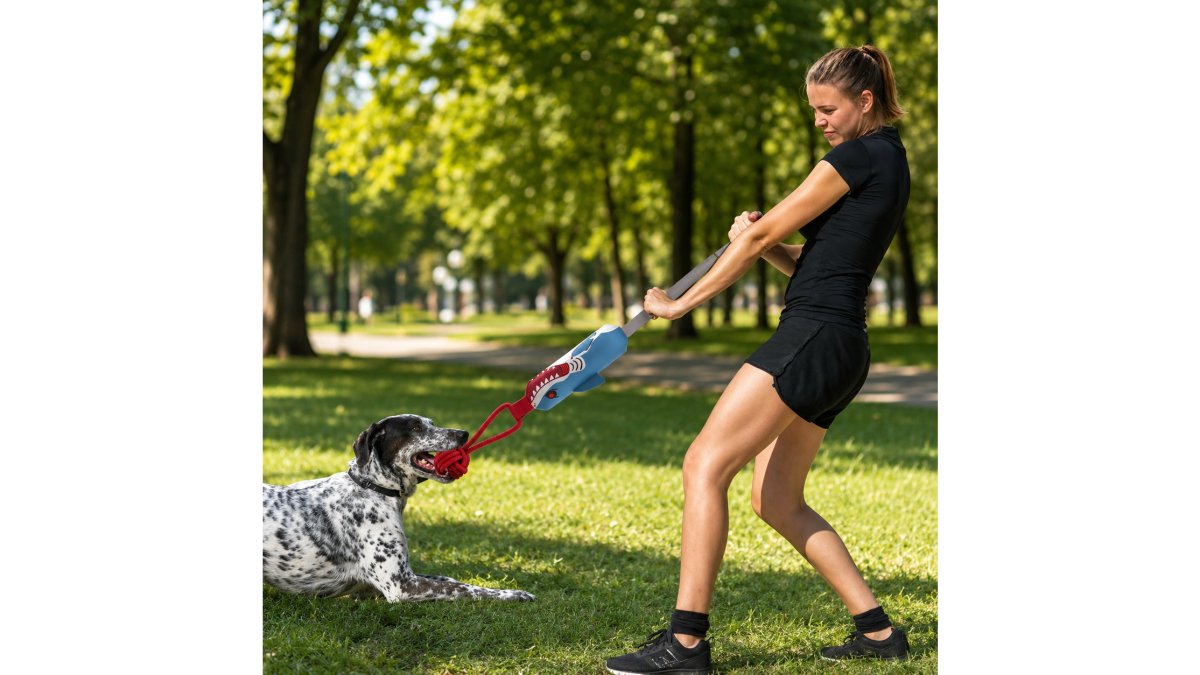
The Dog Tug Rope Toy at $56.99 is built for dogs that need physical outlets. The rope construction provides multiple textures and allows your dog to grip and pull in different ways. Unlike fetch toys, this toy doesn't require you to participate, your dog can engage with it solo.

The rope fibers naturally clean teeth during chewing, reducing plaque buildup.
This toy works best for puppies and adult dogs alike. It handles sustained chewing without unraveling or shedding fibers. Replace it when fibers begin separating visibly.
How to Encourage Independent Play in Dogs
Building independent play takes deliberate introduction and gradual confidence-building. Dogs don't automatically understand that solo play is acceptable or rewarding. You need to teach them.
Start by playing with the toy yourself. Show enthusiasm. Let your dog see you engaging with it, then invite them to join. Once they understand the toy, step back and let them explore independently. The transition from interactive to solo play happens gradually.
Timing matters significantly. Introduce interactive toys when your dog is moderately energized, not exhausted or overstimulated. A dog too tired won't engage. A dog too wound up will lose focus. Mid-afternoon, after a short walk, is often ideal.
Consistency builds habit. Leave the same toys available during alone time. Rotate toys every few days to maintain novelty without overwhelming your dog with too many options. Most dogs develop preferences, some favor puzzle toys, others prefer plush toys. Pay attention to what genuinely holds your dog's attention.
Interactive Puzzle Ball – Fun-Filled Feeder for Smarter, Happier Pets →
Duration expectations vary by age and temperament. These aren't fixed rules, they're starting points. Some dogs naturally sustain engagement longer.
Safe Toys for Dogs Home Alone
Leaving your dog with toys while you're gone requires safety considerations that differ from supervised play. A toy safe during interactive play might pose risks during unsupervised hours.
The primary concern is toy damage leading to ingestion. A toy your dog plays with for 10 minutes under your watch might be destroyed in 2 hours alone. Loose pieces, stuffing, and rope fibers become choking or blockage hazards.
Choose toys specifically designed for solo use. The Interactive Puzzle Ball and ChewPal CuddleBuddy are made of pet-safe, durable materials. The Dog Tug Rope Toy works for solo play.
Never leave toys with small squeakers, bells, or plastic parts unsupervised. These detach easily and pose serious risks. Similarly, avoid toys with loose threads or seams that haven't been reinforced.
Size matters for safety. A toy too small for your dog's mouth can become a choking hazard. A toy too large might cause jaw strain or be impossible for your dog to engage with meaningfully. Match toy size to your dog's mouth and bite strength.
Rotate toys during alone time. Leaving the same toy available constantly leads to wear and eventual damage. A fresh toy every few days maintains engagement and reduces the likelihood of damage-related hazards.
Matching Toys to Your Dog's Size and Play Style
Not every toy works for every dog. Size, chewing strength, and play preference all influence which toys will actually engage your dog versus which will be ignored or destroyed.
Size alignment: A toy designed for small dogs often frustrates larger dogs who can't engage with it properly. Conversely, a large toy might be impossible for a small dog to manipulate. The Interactive Puzzle Ball is ideal for cats, puppies, and small dogs. The ChewPal CuddleBuddy suits small to medium dogs and playful cats. The Dog Tug Rope Toy is suitable for puppies and adult dogs alike.
Chewing strength: The Dog Tug Rope Toy is built for tough play.
Play preference: Some dogs are food-motivated and engage intensely with treat-dispensing toys. Others prefer sensory engagement like squeaking or texture. Still others need physical challenge through pulling or tugging. Observe your dog during play. Does she focus on treats? Does he enjoy sounds? Does she seek physical resistance? Match toys to observed preferences.
Age also influences toy selection. Puppies benefit from softer toys that won't damage developing teeth. Senior dogs often prefer less physically demanding toys. A 12-year-old dog might engage with the puzzle ball but lack the jaw strength for sustained rope toy play.
Maintaining and Replacing Your Dog's Interactive Toys
Toy maintenance directly affects longevity and safety. A well-maintained toy lasts longer and poses fewer risks. A neglected toy deteriorates quickly and becomes hazardous.
Clean toys regularly. The Interactive Puzzle Ball is simple to fill, clean, and reuse. Hand-wash the ChewPal CuddleBuddy. Rope toys can be rinsed. Regular cleaning extends toy life.
Inspect toys before each use. Look for tears, loose seams, missing pieces, or fiber separation. Small damage worsens rapidly during play. Catch problems early and either repair or replace the toy.
Replacement timing varies.
Don't wait until toys are destroyed. Replace them before they become safety hazards. A toy showing significant wear is approaching the end of its useful life. Budget for regular replacement as part of pet care, similar to food or bedding.
| Toy Type | Best For | Durability | Replacement Interval | Price |
|---|---|---|---|---|
| Interactive Puzzle Ball | Mental stimulation, slow feeding | 12-18 months | Annual | $26.99 |
| ChewPal CuddleBuddy | Comfort, separation anxiety | 8-12 months | 12-18 months | $46.99 |
| Dog Tug Rope Toy | Physical engagement, strong chewers | 6-12 months | 6-12 months | $56.99 |
Building independent play in your dog takes intentional effort, but the payoff is substantial. A dog comfortable with solo play is a dog less prone to anxiety, destructiveness, and behavioral problems. The interactive dog toys for independent play we've covered, the puzzle ball, the plush toy, and the rope toy, each address different aspects of enrichment.
At FurEver Finds, we've selected these toys specifically because they deliver real engagement without gimmicks. They're built to last, safe for unsupervised use, and genuinely interesting to dogs. Start with the toy that matches your dog's current needs, observe how she engages with it, then expand your rotation based on what works. Your dog's confidence during alone time is worth the investment.
Frequently Asked Questions
What are some interactive dog toys that can be played alone?
The best interactive dog toys for solo play include treat-dispensing toys like the Interactive Puzzle Ball ($26.99), which releases treats as your dog rolls it, and comfort toys like the ChewPal CuddleBuddy ($46.99), which features a squeaker to keep your dog engaged. The Dog Tug Rope Toy ($56.99) also works for independent play, allowing your dog to chew and toss it without supervision. These toys provide mental stimulation and physical activity, reducing boredom and destructive behaviors when your dog plays alone.
How do you encourage independent play in dogs?
Start by introducing toys during calm moments, not just when you're leaving. Fill treat-dispensing toys with your dog's regular kibble or small treats to make solo playtime rewarding. Rotate toys every few days to maintain novelty and interest. Place toys in different areas of your home to encourage exploration. Reward your dog for playing independently by offering praise or treats nearby. Build up alone time gradually, starting with just a few minutes, so your dog associates independent play with positive outcomes rather than anxiety.
Are puzzle toys good for dogs to use alone?
Yes, interactive puzzle toys are excellent for solo play. They provide mental enrichment by requiring your dog to problem-solve to access treats or kibble, which naturally engages their mind. The Interactive Puzzle Ball stimulates your pet's brain while encouraging physical activity, making it ideal for independent play sessions. Puzzle toys reduce boredom and unwanted behaviors, and they work well for dogs of various ages and sizes. They're especially valuable for dogs prone to separation anxiety, as they create a positive association with alone time.
How can I choose a safe toy for unsupervised play?
Select toys made from pet-safe, durable materials that won't splinter or break apart. Avoid toys with small detachable parts that could become choking hazards. The ChewPal CuddleBuddy and Interactive Puzzle Ball are both made of pet-safe materials designed for unsupervised play. Choose appropriately sized toys for your dog, too small and they're a choking risk, too large and they're uncomfortable to play with. Inspect toys regularly for wear and replace them if they show damage. Start with shorter unsupervised sessions to ensure your dog plays safely before leaving them alone for extended periods.