


Best Non-Toxic Dog Beds for Sensitive Pets
Table of Contents
- Why Non-Toxic Dog Beds Matter for Sensitive Pets
- What to Look for in a Non-Toxic Dog Bed
- Hypoallergenic Dog Bed Materials That Work
- The Dangers of Flame Retardants in Pet Beds
-
Top Non-Toxic Dog Beds to Consider
- 1. Avocado Organic Dog Bed
- 2. Essentia Kingston Dog Bed
- 3. The Futon Shop Natural Pet Mattress
- 4. Rawganique 100% Organic Cotton Pet Bed
- 5. Sit.Stay.Forever. Organic Cotton Round Dog Bed
- 6. NaturoPet Organic Cotton & Virgin Wool Pet Bed
- 7. Bean Products Premium Hemp Dog Bed with Latex Fill
- 8. Naturepedic Organic Orthopedic Dog Bed
- 9. Only Natural Pet Eco-Friendly Organic Canvas Beds
- How to Clean a Dog Bed Without Harsh Chemicals
- Understanding Certifications and Standards
- Conclusion
Last Updated: August 7, 2026
Why Non-Toxic Dog Beds Matter for Sensitive Pets
A dog's bed is where they spend roughly one-third of their life. If that bed contains flame retardants, synthetic dyes, or off-gassing chemicals, your pet is breathing in toxins during their most vulnerable hours. Standard dog beds often contain brominated flame retardants, formaldehyde-based adhesives, and volatile organic compounds (VOCs) that continue releasing fumes long after purchase. Sensitive dogs respond with itching, respiratory issues, or dermatitis that vets often struggle to diagnose because the source isn't obvious.
This guide covers what makes a bed genuinely non-toxic, which materials work, and specific products that deliver safety and comfort for sensitive pets.
What to Look for in a Non-Toxic Dog Bed
Finding a truly non-toxic bed means understanding that "non-toxic" isn't a regulated term. A genuinely safe bed should have three core attributes: certified organic materials, documented absence of harmful chemicals, and third-party verification.
Certifications matter. GOTS (Global Organic Textile Standard) confirms that cotton was grown without synthetic pesticides and processed without formaldehyde or heavy metals. GOLS (Global Organic Latex Standard) does the same for natural latex. Legitimate manufacturers are transparent about their supply chain.
Check the fill material. Conventional polyurethane foam releases VOCs for months after purchase. Natural alternatives like Dunlop latex, shredded latex, coconut coir, wool, and hemp don't off-gas. Wool is particularly valuable because it's naturally flame-resistant without chemical treatments, temperature-regulating, and hypoallergenic.
Examine the cover. Even if the fill is clean, a cover made from synthetic dyes or polyester blends defeats the purpose. Organic cotton duck canvas, linen, or hemp covers are washable and durable without chemical finishes. Check whether the cover is removable, washability matters for long-term safety.
Avoid these red flags: beds labeled "hypoallergenic" without certifications, products that don't disclose materials, anything with a strong chemical smell after opening, and beds using polyurethane foam.
Hypoallergenic Dog Bed Materials That Work
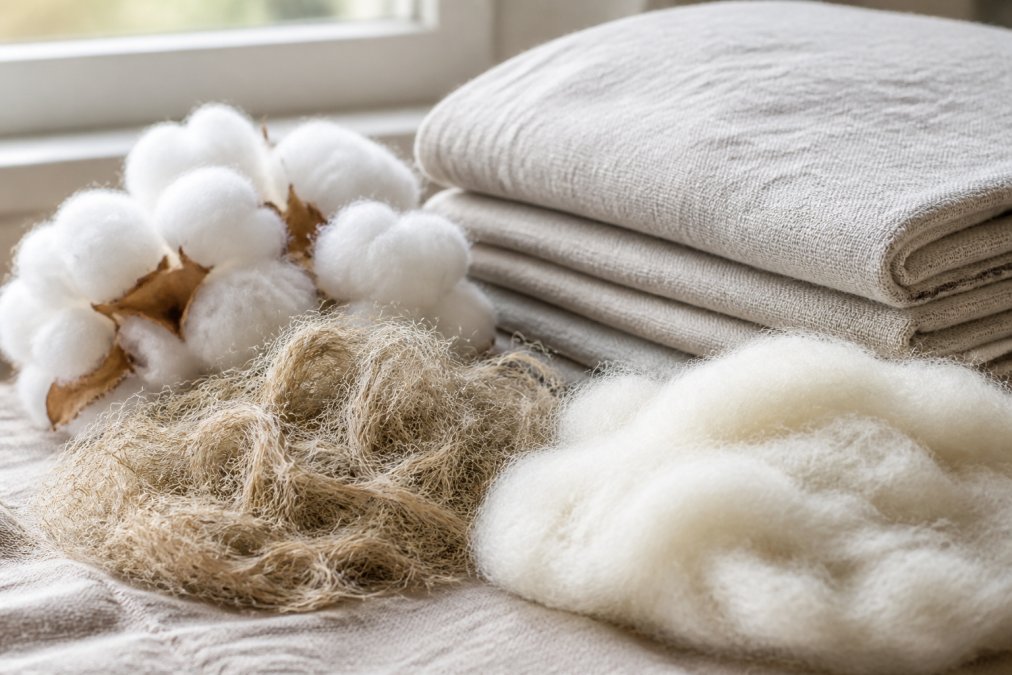
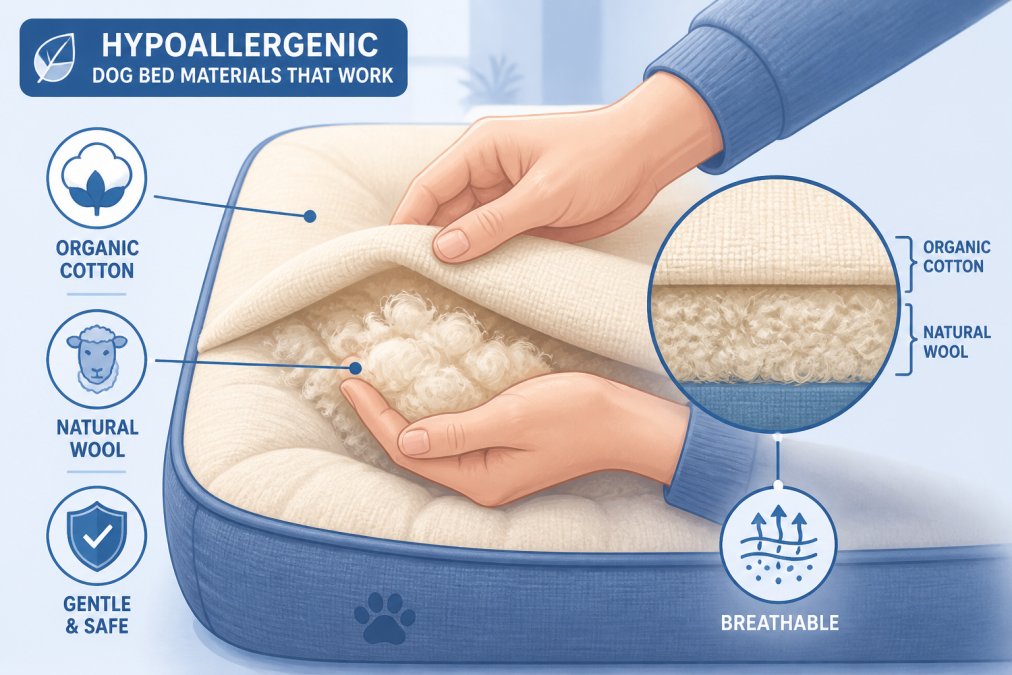
Hypoallergenic dog bed materials eliminate triggers that cause allergic reactions. The most effective options share a common trait: they're processed without synthetic dyes, pesticides, or chemical finishes.
Organic cotton is the baseline for sensitive pets. GOTS-certified organic cotton is grown without synthetic pesticides, a critical difference since conventional cotton uses roughly 16% of global insecticides despite occupying only 2.5% of farmland. For dogs with contact dermatitis, this matters.
Natural Dunlop latex addresses the support gap. Unlike synthetic memory foam, which off-gasses and breaks down, natural latex maintains firmness for years. Dogs with arthritis or hip dysplasia benefit from the pressure relief without chemical exposure.
Wool batting delivers temperature regulation and natural fire resistance without chemical flame retardants. Wool naturally resists dust mites, mold, and mildew, critical for dogs with respiratory allergies. It's also naturally antimicrobial, so odors don't accumulate.
Hemp fiber is the sustainability champion. Hemp grows without pesticides and naturally resists mold without fungicide treatments. For dogs with mold sensitivities, hemp is excellent.
Coconut coir adds support and breathability to blended beds. It's naturally antimicrobial, resistant to dust mites, and hypoallergenic. For dogs that sleep hot or live in humid climates, coir's breathability is valuable.
The Dangers of Flame Retardants in Pet Beds
Flame retardants are chemical treatments added to most conventional pet bedding to meet flammability standards. For dogs with sensitive skin or respiratory systems, these chemicals pose significant health risks.
Brominated flame retardants (BFRs) were standard in pet bedding for decades. These chemicals don't chemically bond to fabrics, they leach out over time, accumulating in dust and becoming airborne. Dogs inhale these particles during sleep and absorb them through skin contact. BFRs are linked to endocrine disruption, immune suppression, and neurological effects in animals.
Off-gassing and VOC emissions are the immediate concern. When a new conventional bed arrives, that chemical smell is volatile organic compounds being released. Dogs experience this intensely because their respiratory rate is higher than humans, and they spend 8+ hours per day with their face near the bed. Symptoms in sensitive dogs include coughing, sneezing, itchy eyes, and respiratory inflammation.
The cumulative effect matters. A sensitive dog exposed to flame retardants in the bed, pesticides from a yard, and synthetic fragrances in the home develops a compounding allergic load. Removing the bed's chemical exposure alone can reduce overall inflammatory response enough that other allergens stop triggering reactions.
Natural alternatives eliminate this risk. Wool is naturally flame-resistant without chemical treatments. Organic cotton beds with latex fill don't require flame retardants because latex itself is less flammable.
Top Non-Toxic Dog Beds to Consider
The following beds represent the most thoroughly vetted non-toxic options available. Each has been selected based on material transparency, certification status, and real-world feedback from pet owners with sensitive dogs.
1. Avocado Organic Dog Bed, Best Overall for Sensitive Pets
Avocado's dog bed sets the standard for non-toxic construction. It's made with 100% GOTS-certified organic cotton, Dunlop natural latex, and coconut husk, zero synthetic foam, zero chemical adhesives. The bed is hand needle-tufted rather than glued, eliminating formaldehyde exposure. The company publishes material sourcing information and third-party testing results.
Pros: Fully certified organic materials with third-party verification, natural latex provides superior orthopedic support, hand-tufted construction eliminates chemical adhesives, removable washable organic cotton cover.
Cons: Higher price point (starting around $229), limited to two sizes.
2. Essentia Kingston Dog Bed, Best Natural Latex Option
Essentia's Kingston uses natural latex foam with GOLS and GOTS certifications, a soft organic cotton cover, and a SoftGrip cotton bottom to prevent sliding. Made in North America with documented ethical labor standards, the solid latex maintains consistent support for years.
Pros: GOLS and GOTS certified natural latex, soft removable washable cotton cover, made in North America with ethical labor standards, excellent support for dogs with joint issues.
Cons: Pricing requires contacting the manufacturer, heavier due to solid latex construction.
3. The Futon Shop Natural Pet Mattress, Best for Customization
The Futon Shop handcrafts beds in San Francisco with multiple filling options: coconut and wool, latex and wool, organic cotton, or pure wool. All materials are organic, pesticide-free, and chemical-free. The removable waterproof cover is practical for dogs prone to accidents.
Pros: Fully customizable filling options, handcrafted with organic pesticide-free materials, removable waterproof cover, made in San Francisco with transparent sourcing.
Cons: Pricing requires contacting the manufacturer, longer lead times due to handcrafting.
4. Rawganique 100% Organic Cotton Pet Bed, Best for Extreme Sensitivities
Rawganique takes minimalism seriously. This bed is 100% organic cotton, naturally dyed, handmade in the USA, and completely free from polyester, fire retardants, and off-gassing chemicals. For dogs with severe chemical sensitivities or those that react to latex, this is the most stripped-down option available.
Pros: 100% organic cotton with zero synthetic materials, naturally dyed without harsh chemicals, handmade in the USA with transparent production, eliminates all off-gassing concerns.
Cons: No orthopedic support (pure cotton insert), may compress faster than latex-filled alternatives, prices start around $124 for the pillow only.
5. Sit.Stay.Forever. Organic Cotton Round Dog Bed, Best for Nesting Dogs
Handcrafted in Portland, Maine, this round bed uses GOTS-certified organic cotton duck canvas with raised bolster sides for head and neck support. The inner pillow and bolster ring have separate zippers, allowing you to adjust fill or replace components without replacing the entire bed.
Pros: GOTS-certified organic cotton with Oeko-Tex Standard 100 certification, supportive bolsters for nesting dogs, separate zippers allow component replacement, handcrafted in Maine.
Cons: Heavier than some alternatives, higher price point (starting around $149.99).
6. NaturoPet Organic Cotton & Virgin Wool Pet Bed, Best for Temperature Regulation
NaturoPet combines organic cotton with premium eco wool and handcrafts in the USA. The wool provides natural temperature regulation, is naturally hypoallergenic, and resists dust mites without synthetic treatments.
Pros: Naturally hypoallergenic and antimicrobial wool, superior temperature regulation without synthetic treatments, excellent orthopedic support through wool density, handcrafted in the USA.
Cons: Higher price point (starting around $179 for Small), wool may compress over 3-5 years.
7. Bean Products Premium Hemp Dog Bed with Latex Fill, Best Budget Non-Toxic Option
Bean Products offers genuine non-toxic construction at a lower price point. The bed combines organic hemp fabric (naturally resistant to mold and mildew) with recycled organic latex foam. The hemp cover is removable and washable.
Pros: Organic hemp fabric naturally antimicrobial and durable, recycled organic latex provides orthopedic support, removable and washable cover, most affordable option with certified non-toxic materials.
Cons: Firm latex fill may be less plush than some alternatives, limited color options, prices start around $39.00.
8. Naturepedic Organic Orthopedic Dog Bed, Best for Waterproofing
Naturepedic's orthopedic bed uses GOTS-certified organic cotton with a thin TPU waterproof layer and shredded latex fill. This design is practical for older dogs or those with incontinence issues. MADE SAFE certification adds credibility for chemical safety claims.
Pros: GOTS-certified organic cotton with waterproof protection, MADE SAFE certified for chemical safety, removable machine-washable cover, lifetime warranty.
Cons: Shredded latex may not provide uniform support as solid latex, higher starting price (around $99+).
9. Only Natural Pet Eco-Friendly Organic Canvas Beds, Best for Eco-Conscious Owners
Only Natural Pet uses certified organic cotton canvas with recycled polyethylene terephthalate (PET) fill, made from recycled plastic bottles. The design is carbon-neutral and environmentally friendly. Recycled PET is still synthetic, so it's not ideal for dogs with extreme chemical sensitivities.
Pros: Affordable price point (starting around $52.49), uses recycled materials contributing to sustainability, certified organic cotton with no toxic dyes, machine-washable cover.
Cons: Recycled PET fill is synthetic, not ideal for extreme sensitivities, low-profile design may not appeal to nesting dogs.
How to Clean a Dog Bed Without Harsh Chemicals
Once you've invested in a non-toxic bed, cleaning it properly preserves both the materials and their safety benefits. Harsh detergents, bleach, and fabric softeners reintroduce the chemicals you eliminated.
Machine washing is safe for most covers. Remove the cover and wash separately from the inner bed. Use warm water (not hot, which can damage latex) and add one of these natural cleaning options:
- Baking soda and vinegar: Add 1/2 cup baking soda to the wash cycle, then 1/2 cup white vinegar during the rinse cycle.
- Castile soap: Use 1/4 cup liquid castile soap (plant-based, chemical-free) instead of conventional detergent.
- Oxygen bleach: Use sodium percarbonate instead of chlorine bleach. It breaks down into water and oxygen, leaving no chemical residue.
For the inner bed, spot-cleaning is usually sufficient. Sprinkle baking soda over the affected area, let it sit for 30 minutes, then vacuum thoroughly. For deeper cleaning, mix equal parts white vinegar and water in a spray bottle, lightly mist the affected area, let it dry completely in sunlight, then vacuum again.
Sunlight is your best disinfectant. Hang the cover outside or place the bed in direct sunlight for 2-3 hours monthly. UV light naturally kills bacteria, mold spores, and dust mites without chemicals.
Avoid these common mistakes: Don't use fabric softener, bleach, or hot water on latex. Air-dry whenever possible.
Understanding Certifications and Standards
When evaluating non-toxic claims, certifications are your verification system. A bed labeled "natural" or "organic" without third-party certification is marketing language, not proof.
GOTS (Global Organic Textile Standard) is the gold standard for organic cotton and plant fibers. GOTS certification confirms that cotton was grown without synthetic pesticides, processed without formaldehyde or heavy metals, and dyed without toxic chemicals.
GOLS (Global Organic Latex Standard) applies the same rigor to natural latex. GOLS-certified latex is harvested from rubber trees managed sustainably and processed without harsh chemicals.
CertiPUR-US certifies that foam meets strict standards for chemical emissions and durability. If a bed uses any foam, CertiPUR-US is a meaningful indicator of lower off-gassing.
Oeko-Tex Standard 100 tests finished textiles for harmful substances, including heavy metals, pesticide residues, and formaldehyde.
MADE SAFE certification tests products for harmful chemicals, VOCs, and allergens, then certifies that the product is safe for human and pet use.
What these certifications don't guarantee: A GOTS-certified cotton cover doesn't guarantee the bed's fill is non-toxic. Look for beds with multiple certifications covering all components. Red flags include beds claiming "hypoallergenic" without certifications and manufacturers that can't provide documentation.
Conclusion
Choosing a non-toxic dog bed for a sensitive pet isn't a luxury, it's addressing a health issue that conventional beds create. Chemical exposure from flame retardants, synthetic foam off-gassing, and synthetic dyes accumulates silently, triggering itching, respiratory issues, and inflammation that vets often struggle to diagnose.
FurEver Finds curates non-toxic dog beds that eliminate this chemical load while providing orthopedic support. Whether your dog needs the comprehensive organic certification of Avocado, the customization of The Futon Shop, or the budget-friendly option from Bean Products, the investment in chemical-free materials pays dividends in reduced vet visits and a noticeably healthier pet.
Frequently Asked Questions
What materials should I avoid in non-toxic dog beds?
Avoid beds containing synthetic flame retardants, formaldehyde, phthalates, and heavy metals. Skip polyurethane foam without CertiPUR-US certification, beds with synthetic dyes, and those made from recycled materials without third-party testing. Check product labels for certifications like GOTS (Global Organic Textile Standard) or MADE SAFE to ensure harmful chemicals have been tested for and excluded.
Are organic dog beds worth the extra cost?
Yes, for sensitive pets. Organic beds eliminate exposure to pesticides, synthetic dyes, and chemical treatments used in conventional bedding. They often last longer due to superior construction, reducing replacement costs. For dogs with skin allergies, respiratory issues, or chemical sensitivities, the health benefits, fewer vet visits, reduced itching, better sleep, justify the initial investment. Premium non-toxic options typically offer 5-10 year durability.
Do non-toxic dog beds help with skin allergies?
Non-toxic dog beds reduce common allergen triggers by eliminating formaldehyde, flame retardants, and synthetic dyes that irritate sensitive skin. Natural materials like organic cotton, hemp, and wool are hypoallergenic and resist dust mites and mold growth. However, results depend on identifying the specific allergy cause. Consult your veterinarian to confirm whether bedding materials are the trigger before switching beds.
How do I know if my dog has a contact allergy to their bed?
Signs include excessive scratching, redness or rash on areas touching the bed (paws, chest, face), hair loss, or skin infections. Some dogs develop itching within hours of contact; others show gradual irritation over weeks. If symptoms improve after removing the bed or improve with a different material, contact allergy is likely. Keep a log of symptoms and test new bedding for 2-3 weeks before concluding it's safe for your dog.
This article was written using GrandRanker