


Best Practices for Recurring Pet Supply Orders
Table of Contents
- How Recurring Pet Supply Orders Work
- How to Set Up Pet Food Delivery
- Creating a Pet Food Delivery Schedule That Fits Your Needs
- Mastering Autoship Order Management
- Pet Food Inventory Management for Recurring Orders
- Discounts, Savings, and Total Cost Comparison
- Safety Checks for Food, Treats, and Medications
- Creating Your Household Pet Supply Checklist
- Frequently Asked Questions
Last Updated: October 10, 2026
How Recurring Pet Supply Orders Work
Recurring pet supply orders are automatic shipments of pet essentials delivered on a schedule you set. You choose a product, set delivery frequency (weekly, monthly, every six weeks), and the system handles the rest. Recurring orders help you maintain consistent inventory so your pet never runs out of food, treats, or medications. You control everything through your account: pause orders before vacations, skip a month if overstocked, adjust quantities, or cancel anytime. At FurEver Finds, our recurring pet supply orders system gives you full control while removing the friction of manual reordering.
How to Set Up Pet Food Delivery
Setting up pet food delivery takes about five minutes: choose your pet's primary food and select a delivery frequency that matches your consumption rate.
Choosing Your First Products and Quantities
Dry pet foods, treats, and water bowls qualify for recurring orders. Calculate the right quantity based on actual consumption: if your dog eats two cups daily and a bag contains 30 cups, one bag lasts 15 days. Start with your pet's main food, then add treats and other items once you're comfortable managing the recurring order.
Automating Feeding with Smart Dispensers
Smart feeders automate portion control when paired with recurring food orders. The Automatic WiFi Cat Feeder ($181.99) schedules exact meal times and portions via smartphone app. For simpler setups, the Smart Auto Pet Feeder ($179.99) uses button controls and holds large kibble capacity.


Creating a Pet Food Delivery Schedule That Fits Your Needs
Your delivery schedule should match how fast your pet consumes food. This prevents both stockpiling and running out unexpectedly.
Calculating Reorder Intervals from Consumption
Track actual consumption for two weeks. Divide bag size by daily consumption to find how many days one bag lasts. Example: A dog eating 1.5 cups daily from a 120-cup bag lasts 80 days; order every 70-75 days to arrive before running out. For multiple pets, double the daily consumption and recalculate.
Building in Safety Buffers for Delays
Build a 7-10 day buffer into your reorder interval for shipping delays. If calculations show 70 days, schedule delivery every 60 days instead. Keep one backup bag on hand in airtight containers in a cool, dry place.
Mastering Autoship Order Management
Recurring orders only work if you actively manage them. Check your account monthly to ensure everything is on track.
Pausing, Skipping, and Canceling Orders
Pause a recurring order before vacations or when overstocked, then resume the next scheduled date. Skip a delivery if you have extra food to prevent accumulation. Cancel anytime without penalty when your pet switches foods or circumstances change.
Handling Changes and Preventing Duplicates
Update your recurring order whenever your pet's needs change. If your dog gains weight, the vet recommends a different food, or your pet's appetite shifts, edit the order immediately rather than letting it continue.
Watch for duplicate shipments. If you accidentally set up two recurring orders for the same product, one will arrive unexpectedly. Check your account dashboard monthly to confirm only one active subscription per product exists.
When switching foods, don't cancel the old order and immediately start a new one. Instead, pause the current order, let the final delivery arrive, and then start the new recurring order. This avoids overlapping shipments.
Pet Food Inventory Management for Recurring Orders
Smart inventory management prevents waste and saves money. Track what you have and adjust frequency accordingly.
Avoiding Overstock and Waste
Rotate stock using FIFO (First In, First Out). Monitor your pet's appetite and adjust recurring order frequency if eating patterns shift.
Tracking Stock Levels and Adjusting Frequency
Log when food arrives and when you open each bag. If you consistently have leftovers when the next delivery arrives, extend the reorder interval by one or two weeks. If running low before delivery, shorten the interval. Review inventory monthly and adjust as needed.
Discounts, Savings, and Total Cost Comparison
Recurring orders help you save, but the true savings depend on shipping fees, order minimums, price volatility, and eligibility restrictions.
Breaking Down the Real Discount
Before enrolling, verify whether your retailer waives shipping on recurring orders, requires a minimum order value, applies the discount to shipping, or charges a membership fee.
Accounting for Price Increases and Coupon Restrictions
Track per-unit cost over three to six months to spot increases. Many retailers restrict coupon stacking on recurring orders.
Calculating True Annual Savings
Build a spreadsheet comparing current spending to projected subscription costs.
Factoring in Time Savings and Convenience Value
Recurring orders save time. However, budget 5-10 minutes monthly for account reviews to prevent overstock and duplicates.
Comparing Across Retailers
Before committing, check the discount rate, shipping policy, price-lock guarantees, cancellation terms, and frequency flexibility.
When Recurring Orders Don't Save Money
Recurring orders aren't always cheapest. If you have access to bulk discounts, frequent high-value coupons, seasonal sales, or unpredictable pet needs, one-time purchases may cost less. Calculate before subscribing and revisit every six months.
Safety Checks for Food, Treats, and Medications
Recurring orders of food, treats, and medications require ongoing safety oversight because these items degrade, expire, and can pose health risks if compromised. Beyond the initial setup, you must establish a system to inspect each delivery, verify expiration dates, monitor for contamination, and handle disruptions before they affect your pet's health.
Inspecting Every Delivery Upon Arrival
Inspect each delivery within two hours. Check for physical damage (tears, moisture, mold, off odors, insects), verify expiration dates are at least 2 months in the future, and confirm items match your order. If anything fails inspection, photograph and contact the retailer immediately for refund or replacement.
Establishing a Pre-Delivery Safety Buffer
Build a 7-10 day buffer into your reorder interval. If one bag lasts 70 days, schedule delivery every 60 days. Maintain a backup supply: one unopened bag of primary food in airtight containers, rotated using FIFO. For medications, maintain a 2-week emergency supply.
Managing Delays, Substitutions, and Out-of-Stock Items
If a delivery is delayed, check tracking and contact customer service if more than 3 days late. If an item is out of stock, never accept automatic substitution without reviewing it first, pause the order and purchase separately until restock. If you receive a duplicate shipment, cancel one immediately and contact customer service for a refund.
Medications and Prescription Foods Require Veterinary Review
Never automate recurring orders for prescription medications or diets without explicit veterinary approval. Obtain written authorization confirming product, dosage, and duration. Review prescription orders every 6 months with your veterinarian. If your pet develops new symptoms after a delivery, pause the order immediately and contact your vet before resuming.
Expiration Date Tracking and Rotation
Establish a simple tracking system:
For each recurring delivery:
- Write the delivery date and opening date on the bag or container with a permanent marker
- Note the expiration date prominently
- Store in airtight containers to extend freshness (dry kibble in sealed bins, treats in resealable bags)
- Use older stock first (FIFO method)
Discard food if:
-
The expiration date has passed
-
You notice mold, insects, off odors, or discoloration
-
Your pet refuses to eat it or shows signs of digestive upset after eating it
Creating a Delivery Inspection Checklist
Print or save this checklist and review it when each recurring order arrives:
- ☐ Delivery arrived on expected date (or document delay)
- ☐ All items accounted for and match order
- ☐ No visible damage to packaging
- ☐ No moisture, mold, or discoloration
- ☐ No off odors (sour, rancid, musty)
- ☐ No insects or pest droppings
- ☐ Expiration date is at least 2 months in the future
- ☐ For medications: prescription authorization is current
- ☐ For sensitive-diet items: ingredients match previous delivery (no reformulation)
- ☐ Backup supply is still in stock and not expired
- ☐ No duplicate orders active in account
If any item fails this checklist, contact customer service immediately with photos and details.
Creating Your Household Pet Supply Checklist
Build a master checklist of everything your pet needs on a recurring schedule. This prevents forgotten items and ensures nothing runs out unexpectedly.
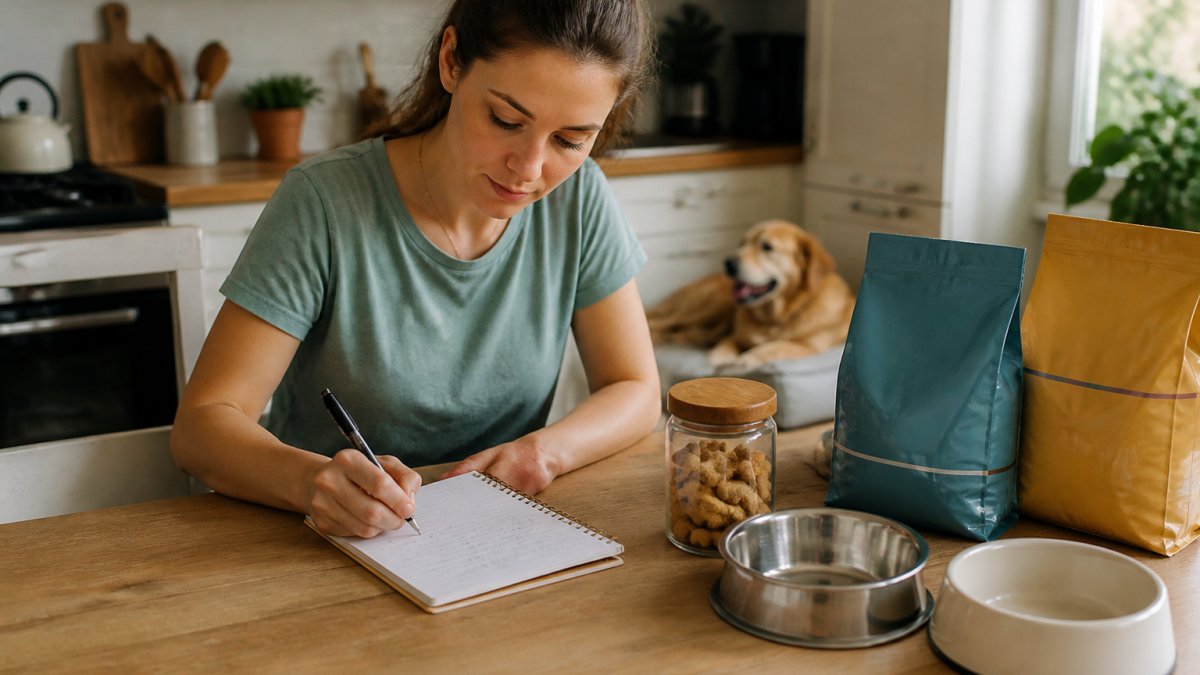
Start with the essentials: primary food, water, treats. Add secondary items: medications, supplements, litter or poop bags. Include non-food items like water fountains.
For each item, note:
- Product name and size
- Current stock level
- Reorder interval (every 30 days, every 60 days, etc.)
- Delivery date
- Cost per order
Review this checklist monthly. Update quantities if your pet's needs change. Add new items as your pet ages or health changes.
Consider recurring orders for supplies beyond food. The Motion-Sensor Pet Water Fountain ($83.99) or the Cat Drinking Water Fountain ($165.01) don't need frequent reordering, but replacement filters do. Set a reminder to order filters every 3-4 months.

For dog owners, recurring orders of Dog Poop Bags with Dispenser ($11.74) make daily walks easier. A 180-count pack lasts most households 1-2 months.
Recurring pet supply orders work best when you treat them as an active system, not a "set and forget" feature. Review your orders monthly, adjust based on real consumption, and build in safety buffers for delays. The time you invest upfront, calculating consumption, setting up schedules, creating checklists, pays dividends in convenience, cost savings, and peace of mind knowing your pet never runs out of essentials. At FurEver Finds, our curated selection of premium pet products combined with smart automation tools makes it easy to keep your pet healthy and happy on a consistent schedule. Start with your pet's main food, master that recurring order, then expand to treats, water fountains, and supplies as you build your system.
Frequently Asked Questions
How do recurring pet supply orders work?
Recurring pet supply orders, also called autoship or Subscribe and Save, automatically send products to you on a schedule you set. You choose what items, how much, and how often they arrive. Many retailers offer discounts on recurring orders. You can pause, skip, or cancel anytime. Smart feeders like the FeedMate™ Smart Auto Pet Feeder ($179.99) pair well with recurring food deliveries, dispensing portions on schedule while you manage inventory from home.
What's the best pet food delivery schedule for my household?
Calculate your pet's daily consumption first: measure how much food your pet eats per day, then multiply by 30 to estimate monthly use. Schedule delivery to arrive just before you run out, not weeks early. Most households benefit from every 2-4 weeks for dry food. If your pet eats 2 cups daily, a 30-pound bag lasts about 15 days, so a 2-week delivery schedule prevents stockpiling. Build in a 3-5 day buffer to account for shipping delays.
How can I avoid overordering pet food and treats?
Track what you actually use before setting up recurring orders. Keep a simple log for one month: note how many bags or containers you open and when you run out. Avoid ordering treats or specialty items on the same schedule as staple food. Use smaller, more frequent deliveries rather than bulk orders. Set phone reminders one week before delivery to check your current stock. If you have multiple pets, calculate each animal's consumption separately to prevent doubling up on orders.
What pet supplies are best to order on a recurring schedule?
Dry pet food, water fountain refill filters, poop bags, and chews or treats work well on recurring schedules because they're consumable and predictable. Avoid scheduling items your pet might reject, like new toy types, or products with expiration dates like fresh treats. High-use items like the Dog Poop Bags with Dispenser (180 count, $11.74) and 6 Inch Bully Sticks (25 count, $69.58) are ideal recurring purchases. Hydration products like the Motion-Sensor Pet Water Fountain ($83.99) are one-time buys but support regular refill subscriptions for filters.