


How to Measure Your Dog for a Bed: Complete Guide
Table of Contents
- Why Measuring Your Dog for a Bed Matters
- How to Measure Dog Length for Bed
- Understanding Your Dog's Sleeping Position and Style
- Adding Clearance Inches for Comfort and Movement
- Best Orthopedic Beds for Senior Dogs 2026
- Signs Your Dog Needs a New Bed
- Common Dog Bed Sizing Mistakes to Avoid
- Dog Bed Size Chart and Reference Guide
Last Updated: August 23, 2026
Why Measuring Your Dog for a Bed Matters
A properly sized bed supports joint health, reduces pressure on aging bones, and provides the security your dog needs for quality sleep. When you measure your dog for a bed, you ensure they have adequate space to stretch, curl up, or sprawl without limbs hanging off the edge or feeling cramped. Many pet owners skip this step, resulting in dogs that toss and turn all night and miss out on restorative sleep, especially problematic for senior dogs with arthritis or joint pain. FurEver Finds recognizes that proper sizing is the foundation of a quality dog bed investment. This guide walks you through measuring your dog so you can select a bed that addresses their actual needs.
How to Measure Dog Length for Bed
The most critical measurement is length, which determines whether your dog has enough room to stretch out fully.
Measuring from Nose to Tail
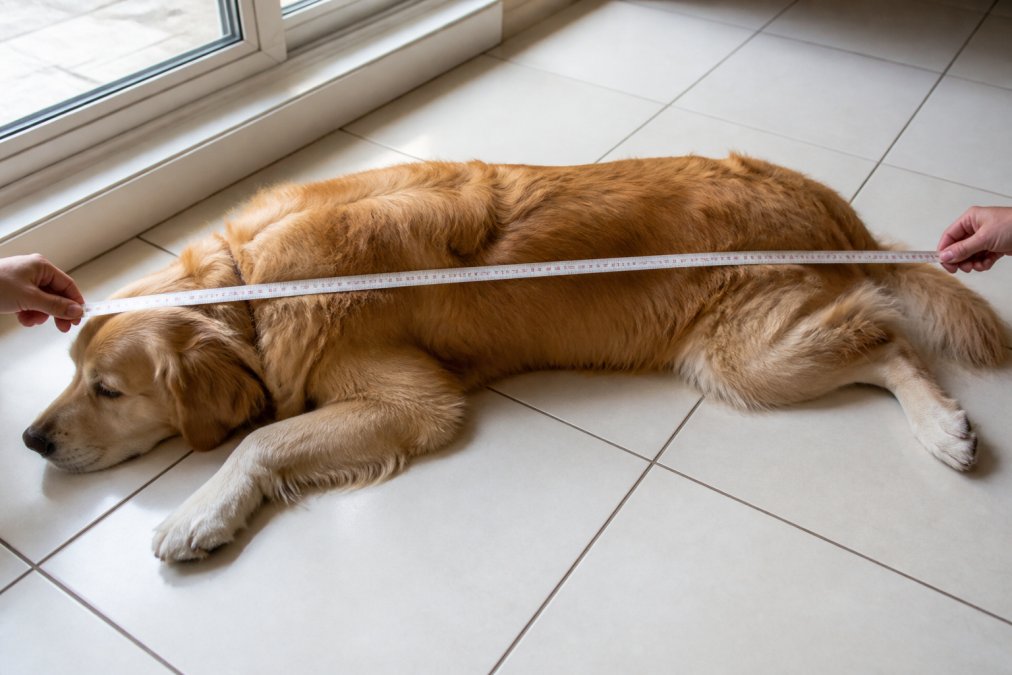
Have your dog stand on a flat surface in a relaxed, natural position. Using a fabric tape measure, measure from the tip of their nose to the base of their tail. However, this measurement alone isn't enough, dogs need clearance space beyond their body length to feel comfortable. Add 6-12 inches to your nose-to-tail measurement to determine the minimum bed length (aaha.org). If your dog measures 24 inches nose to tail, look for a bed at least 30-36 inches long. This extra space allows your dog to stretch their legs and shift positions throughout the night without feeling confined.
Measuring Shoulder Height and Width
Measure shoulder height by having your dog stand naturally and measuring from the ground to the top of their shoulder blades. This helps you choose a bed with appropriate wall height; senior dogs with mobility issues often benefit from lower-profile beds that are easier to enter and exit.
For width, measure across your dog's body at the widest point, typically across the chest or shoulders when standing. If your dog measures 14 inches wide, aim for a bed at least 18-20 inches wide to provide comfortable side-to-side space and prevent limbs from dangling over the edges.
Record all three measurements: nose-to-tail length, shoulder height, and body width. These form the foundation for selecting a bed that truly fits your dog's body.
Understanding Your Dog's Sleeping Position and Style
How your dog sleeps dramatically affects what size and shape bed will make them happiest.
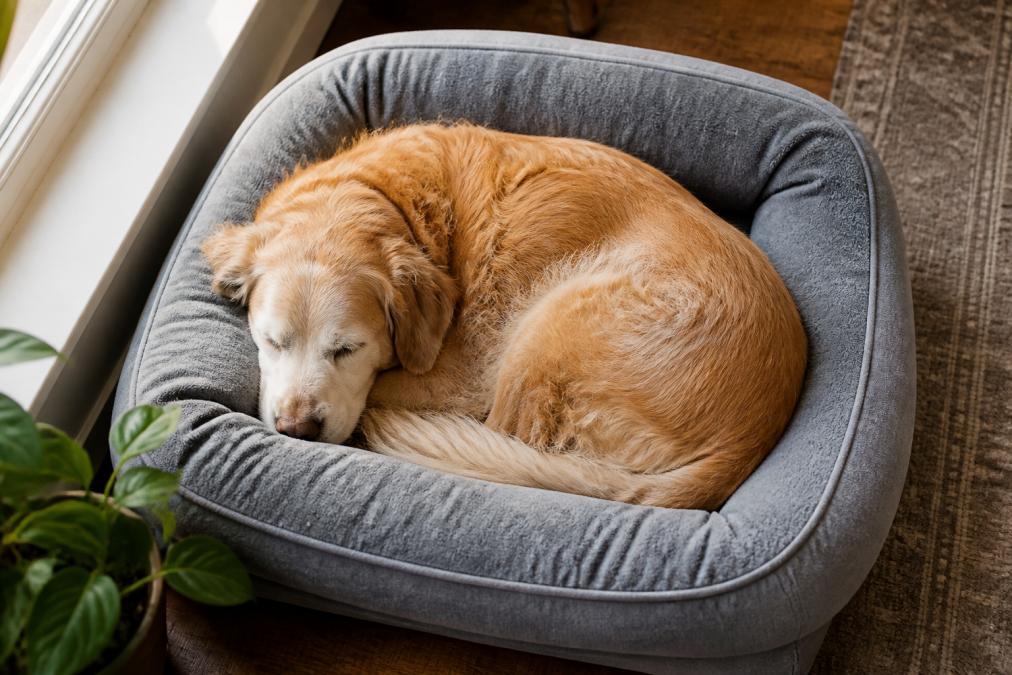
Curlers pull their legs underneath their body and tuck their head toward their tail, creating a tight ball. These dogs benefit from bolstered beds with high walls that provide security and support. You can often choose a slightly smaller bed for curlers since they're compacting their body.
Sprawlers stretch out across the entire bed surface with legs extended in all directions. They need maximum length and width and typically prefer flat beds without high walls that restrict their movement.
Side sleepers rest with their body stretched along one side of the bed. They need adequate length and width but benefit from a slight bolster or cushioning along one edge to support their head and neck.
Watch your dog sleep for a few nights and identify their preferred position. This observation, combined with your measurements, will guide you toward a bed shape and size that matches their natural sleeping style.
Adding Clearance Inches for Comfort and Movement
Clearance space is what separates a snug fit from a comfortable one. Add 6-12 inches to your dog's nose-to-tail length: 6-8 inches for dogs under 20 pounds, 8-10 inches for medium dogs (20-60 pounds), and 10-12 inches for large dogs over 60 pounds.
Width clearance matters equally. Increase your dog's body width measurement by 4-6 inches on each side. If your dog is 14 inches wide, aim for a bed at least 22-26 inches wide.
For senior dogs with arthritis, extra clearance becomes even more important. These dogs need room to adjust their position frequently throughout the night. The difference between adequate clearance and insufficient space can mean the difference between restful sleep and a night of restless tossing.
Best Orthopedic Beds for Senior Dogs 2026
Senior dogs deserve beds designed specifically for their aging bodies. When selecting an orthopedic bed, look for memory foam at least 3-4 inches thick. The foam should be dense enough that when you press your hand into it, it slowly springs back rather than immediately popping back to its original shape.
Bolstered orthopedic beds are particularly beneficial for senior dogs. The raised edges provide support for your dog's head and neck, reducing strain on cervical vertebrae (peer-reviewed research). Many senior dogs with joint pain find bolstered beds significantly more comfortable than flat designs.
FurEver Finds curates orthopedic options specifically selected for senior dog comfort, focusing on beds with genuine joint support features rather than just marketing claims. Consider the bed's height as well, senior dogs with mobility issues struggle to jump into elevated beds. Look for orthopedic beds with a low profile that allows your dog to step in and out easily, ideally 4-6 inches off the ground (avma.org).
Signs Your Dog Needs a New Bed
If your dog avoids their bed and sleeps on the hard floor instead, the bed isn't meeting their comfort needs. Visible wear and compression indicate that your dog's bed has lost its support structure. If the foam no longer springs back after your dog gets up, or if you can see permanent indentations where your dog sleeps, the cushioning has broken down.
Restlessness at night, frequent position changes, or difficulty getting comfortable are signs that the bed isn't supporting your dog properly. Senior dogs with arthritis may show obvious discomfort when lying down or getting up. Behavioral changes like increased anxiety or reluctance to settle down can sometimes indicate bed-related discomfort.
Common Dog Bed Sizing Mistakes to Avoid
The most frequent mistake is underestimating how much space your dog actually needs. Pet owners measure nose to tail and buy a bed that exact length, forgetting that dogs need clearance space.
Ignoring your dog's sleeping style is another costly error. A dog that naturally sprawls will be miserable in a small, bolstered bed designed for curlers. Matching bed design to sleeping preference matters as much as getting the dimensions right.
Buying based on your dog's current size without accounting for growth is a mistake for younger dogs. Measure them at their expected adult size rather than their current size. Assuming all dogs of the same breed need the same bed size overlooks individual variation, always measure your specific dog.
Neglecting to consider your dog's health needs is particularly problematic for senior dogs. An older dog with arthritis needs genuine orthopedic support, appropriate bolstering, and a height that's easy to access.
Dog Bed Size Chart and Reference Guide
Use this chart as a quick reference after you've measured your dog.
| Dog Nose-to-Tail Length | Recommended Bed Length | Recommended Bed Width | Best Bed Shape | Ideal for Dog Size |
|---|---|---|---|---|
| 16-18 inches | 24-28 inches | 18-20 inches | Bolstered or flat | Toy breeds, small dogs |
| 18-22 inches | 28-32 inches | 20-24 inches | Bolstered or rectangular | Small to small-medium dogs |
| 22-26 inches | 32-38 inches | 24-28 inches | Rectangular or orthopedic | Medium dogs |
| 26-30 inches | 38-44 inches | 28-32 inches | Large rectangular or orthopedic | Large dogs |
| 30+ inches | 44-50+ inches | 32-36+ inches | Extra-large or orthopedic | Extra-large breeds |
Remember that these are minimum recommendations. Dogs that sprawl extensively or senior dogs with mobility needs benefit from beds one size larger than this chart suggests.
When you measure your dog for bed using these techniques, you're making a decision that affects their daily comfort and long-term health. The investment in a properly sized bed pays dividends in better sleep, reduced joint stress, and a happier, more rested companion. FurEver Finds' thoughtfully curated selection of premium dog beds is designed with this exact principle in mind, quality construction and genuine support features that make a real difference in your dog's comfort and health. When you choose a bed backed by proper measurement and an understanding of your dog's individual needs, you're choosing better sleep and better days ahead for your beloved companion.
Frequently Asked Questions
What size bed does a dog need based on weight?
A dog's weight is one factor, but length and sleeping style matter more. A 40-pound dog sprawling across a bed needs more surface area than a 40-pound dog that curls up. Measure your dog from nose to base of tail, then add 4-6 inches of clearance. Use that total length as your primary sizing guide. A dog bed should feel spacious enough for your dog to stretch without their paws hanging off the edge.
How do I know if my dog's bed is too small?
Signs include your dog's paws hanging over the edge, reluctance to use the bed, or sleeping on the floor instead. Watch for pressure on joints when lying down or difficulty getting comfortable. Senior dogs especially need adequate space to stretch and relieve pressure points. If your dog regularly hangs limbs off the bed or avoids it entirely, it's time to measure for a larger option that supports their joint health.
Should I measure my dog while they're sleeping or awake?
Measure while your dog is awake and standing, as this captures their full body length. Use a fabric tape measure from the tip of their nose to the base of their tail. For shoulder height, measure from the ground to the highest point of their shoulder blade while they stand naturally. These measurements reflect your dog's actual dimensions and help you choose a bed with proper cushioning and support for their frame.
How much bigger should a dog bed be than my dog?
Add 4-6 inches of clearance to your dog's nose-to-tail measurement for comfort and movement. This extra space prevents your dog from feeling cramped and allows them to stretch, shift positions, and sprawl without limbs dangling. For senior dogs with joint issues, consider adding up to 8 inches of clearance to ensure they have room to adjust positions without pressure on their joints.
This article was written using GrandRanker