


How to Stop Dogs Destroying Toys: A Training Guide
Table of Contents
- Why Dogs Destroy Toys
- Selecting Durable Chew Toys for Aggressive Chewers
- Implementing Dog Enrichment Activities for High Energy Dogs
- Training Steps to Stop Destructive Toy Behavior
- Using Interactive Puzzle Toys for Dogs
- Common Mistakes to Avoid
- Conclusion
Last Updated: August 22, 2026
Why Dogs Destroy Toys
Dogs destroy toys for reasons beyond boredom. Understanding the root causes is the first step to addressing destructive behavior effectively. Your dog isn't being spiteful; there's usually a legitimate behavioral or medical explanation.
Behavioral and Medical Root Causes
Destructive toy behavior stems from several sources. Impulse control is the most common driver, young dogs and high-energy breeds struggle to regulate their natural urge to chew, bite, and tear. Puppies explore the world through their mouths, and some dogs never fully outgrow that impulse.
Separation anxiety is another significant factor. Dogs experiencing anxiety when left alone often destroy toys as a self-soothing mechanism or stress outlet. The destruction releases tension, which temporarily calms the anxious dog. Dogs with unmet mental enrichment needs will destroy toys out of boredom, seeking stimulation directly (peer-reviewed research).
Medical issues can also drive destructive behavior. Teething puppies experience genuine discomfort and need appropriate outlets for relief. Older dogs with dental disease or jaw pain may destroy toys attempting to alleviate pain. Nutritional deficiencies or gastrointestinal issues sometimes trigger pica-like behaviors where dogs compulsively chew and ingest toy materials.
Your dog is communicating an unmet need, whether that's exercise, mental stimulation, anxiety relief, or physical discomfort. Addressing the underlying cause works far better than punishment.
Age-Specific Destruction Patterns
Destruction patterns change across a dog's life stages. Puppies between 3 and 6 months are in active teething phase, experiencing genuine discomfort. During this window, toy destruction is pain management, not misbehavior.
Adolescent dogs (6 months to 2 years) often show the most aggressive destructive behavior. Their impulse control is still developing, energy levels are at peak, and they're testing boundaries. This age group needs significantly more physical exercise and mental enrichment than adult dogs.
Adult dogs (2-7 years) typically show destructive behavior when something has changed in their environment or routine. A new job schedule, a move, or household changes can trigger anxiety-driven destruction.
Senior dogs (7+ years) rarely engage in destructive behavior unless pain or cognitive decline is involved. If an older dog suddenly starts destroying toys, a veterinary check is warranted to rule out dental disease or other age-related issues.
Selecting Durable Chew Toys for Aggressive Chewers
Choosing the right toy is half the battle. Aggressive chewers need specifically designed options that withstand serious jaw pressure without falling apart into hazardous pieces.
Material Durability and Safety Standards
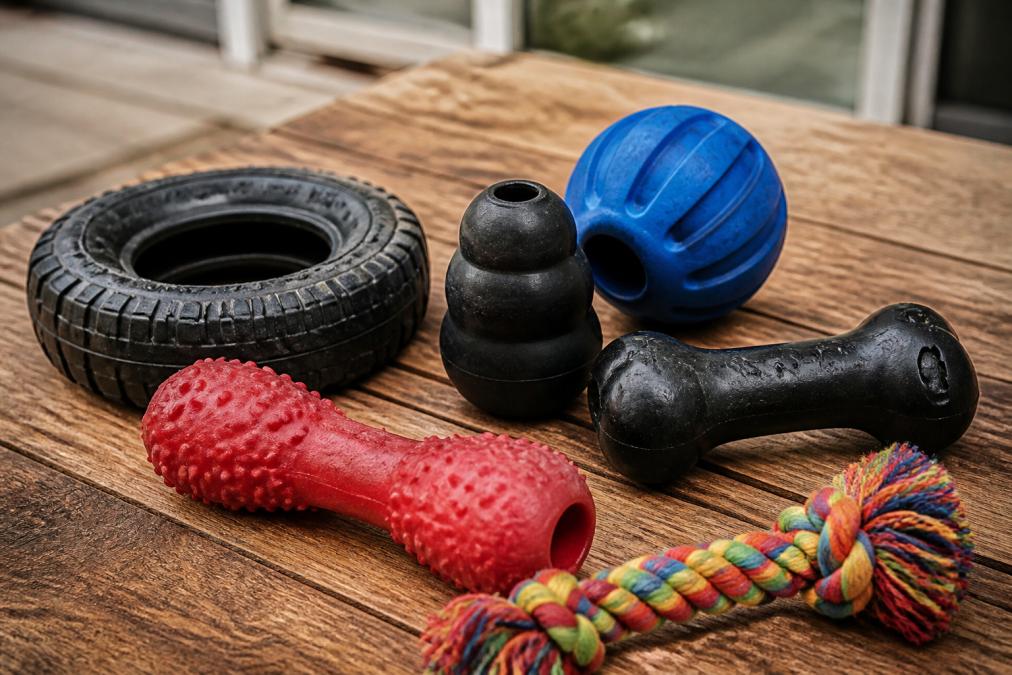
The best toys for aggressive chewers are made from materials that resist tearing and don't splinter or break into small, ingestible pieces. Rubber toys designed for heavy chewing are among the safest options. Look for toys made from natural rubber or reinforced synthetic rubber that's thick enough to resist puncture. These materials bend under pressure rather than crack.
Nylon toys marketed for aggressive chewers can work, but quality varies significantly. Lower-quality nylon toys splinter easily, creating sharp fragments that pose choking and intestinal blockage hazards. Higher-quality nylon options with double-stitched reinforcement are more durable.
Rope toys are generally not recommended for aggressive chewers (avma.org). Dogs can unravel rope toys and ingest the fibers, which can cause intestinal obstruction. Stuffed toys are almost universally problematic for dogs that destroy toys, as the stuffing becomes an ingestion hazard.
What to Avoid in Toy Design
Toys with small detachable parts are dangerous for aggressive chewers. Bells, buttons, plastic eyes, and squeakers can all be torn off and swallowed. Toys that are too small for your dog's mouth create choking hazards. A general rule: the toy should be too large to fit entirely in your dog's mouth.
Avoid toys made from materials that splinter, crack, or break into sharp pieces under pressure. Cheap plastic toys, low-quality rawhide, and poorly constructed nylon all pose risks. Rawhide chews can become a choking hazard, and pieces that are swallowed can cause intestinal blockage.
Toys with sharp edges or rough surfaces can damage your dog's mouth and gums. Run your fingers over any toy before giving it to your dog. If you feel sharp edges or rough spots, the toy isn't safe.
Implementing Dog Enrichment Activities for High Energy Dogs
Destructive toy behavior often signals insufficient mental and physical stimulation. Dogs need outlets for their energy and their minds.
Physical Exercise and Mental Stimulation
Most dogs need at least 30 minutes of dedicated physical exercise daily, though high-energy breeds often need 60-90 minutes or more (aaha.org). Real exercise means activities that elevate your dog's heart rate: running, fetch, swimming, or structured play sessions.
Mental enrichment is equally important. Interactive play where your dog has to problem-solve, chase, or engage with you provides mental outlets. Puzzle toys that require your dog to manipulate them to access treats force problem-solving. Scent work games where your dog hunts for hidden treats engage natural instincts.
Rotate your dog's toys regularly. Introducing the same toy after a week away makes it feel new again. Keep 3-4 toys accessible and rotate in new ones every few days. Training sessions provide both mental stimulation and bonding time, with even 10-15 minutes of focused training offering significant enrichment.
Training Steps to Stop Destructive Toy Behavior
Training teaches your dog appropriate toy behavior and redirects the impulse to destroy.
Step 1: Teach the 'Drop It' Command
The "drop it" command gives you a way to interrupt destructive behavior and redirect attention. Start with a toy your dog enjoys but doesn't immediately destroy. During play, let your dog hold the toy, then show them a high-value treat. Say "drop it" and immediately reward with the treat the moment your dog releases the toy. Repeat this 5-10 times per session, several times per week.
Once your dog reliably drops the toy for the treat, gradually increase the value of the toy they're holding before asking them to drop it. Practice in different environments. This command becomes your emergency brake when you catch your dog mid-destruction.
Step 2: Redirect Chewing Impulses
Redirection is more effective than punishment. When you catch your dog destroying a toy, calmly remove it and immediately offer an appropriate chewing alternative. This teaches your dog where the acceptable outlet for chewing is.
Keep appropriate chew toys easily accessible. When your dog shows chewing behavior, direct them to these toys with enthusiasm and positive reinforcement. Supervision is critical during this phase, you can't redirect behavior you don't see happening.

Step 3: Supervise and Rotate Toys
Supervised play means you're present and actively engaged or monitoring your dog's toy interactions. During supervised play, you can reward appropriate chewing and redirect destructive behavior immediately.
Toy rotation prevents habituation and boredom. Putting away 75% of your dog's toys and rotating in new ones every 3-5 days keeps toys feeling fresh. Track which toys your dog destroys and which they ignore, this tells you about your dog's preferences and helps you match toys to their needs.
Using Interactive Puzzle Toys for Dogs
Interactive puzzle toys serve double duty: they provide mental enrichment and redirect the chewing impulse toward appropriate toys. These toys require your dog to manipulate them to access treats, engaging problem-solving skills.
Puzzle toys come in varying difficulty levels. Start with easier puzzles where your dog can quickly figure out how to access the reward. As your dog masters easier puzzles, gradually introduce more challenging options.
The best puzzle toys are durable enough to withstand aggressive chewing while still being manipulable enough for your dog to solve them. Rubber-based puzzle toys with treat compartments work well for most dogs. Some are designed to be filled with frozen treats, providing extended engagement and cooling relief for teething puppies.
Use puzzle toys during times when your dog is most likely to engage in destructive behavior, when you're leaving the house, during afternoon energy slumps, or when your dog shows signs of boredom. At FurEver Finds, we recommend selecting puzzle toys that match your dog's chewing intensity and problem-solving ability. The goal is sustained engagement that keeps your dog mentally stimulated and physically occupied.
Common Mistakes to Avoid
The most damaging mistake is punishing your dog after the fact. Dogs don't connect past actions with punishment. They only learn that your presence is scary, which damages trust and can increase anxiety-driven destruction.
Another critical error is providing insufficient exercise or enrichment and then expecting your dog to be calm with toys. You can't train away a need for physical activity and mental stimulation.
Leaving inappropriate toys accessible is a setup for failure. If you have stuffed toys, toys with detachable parts, or toys your dog has previously destroyed, put them away.
Using toys as punishment or taking toys away as consequence creates negative associations. Toys should always be positive experiences.
Finally, giving up on durable toys after your dog destroys one or two options is premature. Different materials and designs work for different dogs. FurEver Finds offers a curated selection of premium durable toys specifically chosen for quality and safety, making it easier to find options that match your dog's needs without trial-and-error.
Dogs destroy toys because they're communicating an unmet need, whether that's physical exercise, mental stimulation, anxiety relief, or pain management. Addressing the underlying cause while providing appropriate alternatives and training creates lasting change. The combination of adequate exercise, mental enrichment through puzzle toys, strategic toy rotation, and training commands like "drop it" gives your dog both the outlets they need and the boundaries they require. FurEver Finds specializes in premium, durable toys and enrichment products specifically selected for dogs that destroy toys, helping you find reliable options that withstand aggressive chewing while keeping your dog safe. Start with understanding your dog's specific needs, choose toys that can handle your dog's chewing intensity, and commit to consistent training and supervision. Your dog will learn that appropriate chewing brings rewards while destructive behavior gets redirected, and you'll finally have toys that last.
Frequently Asked Questions
Q: Is it normal for dogs to destroy their toys?
A: Yes, destructive toy behavior is common in dogs and stems from natural chewing instincts, teething, boredom, or anxiety. Puppies and adolescent dogs typically destroy toys more frequently as they explore their environment and manage teething discomfort. Aggressive chewers and high-energy dogs may shred toys faster than calm dogs. The key is redirecting this behavior through proper toy selection, supervision, and training rather than viewing it as misbehavior requiring punishment.
Q: How can I tell if my dog is destroying toys from boredom or anxiety?
A: Boredom-related destruction typically occurs when your dog lacks mental enrichment or physical exercise and happens throughout the day. Anxiety-related destruction is often sudden, intense, and may occur when you leave or during stressful situations. Dogs with separation anxiety may focus on one toy repeatedly. Monitor patterns: if your dog destroys toys during high-energy play, it's likely normal play. If destruction happens when isolated or stressed, address anxiety through training, enrichment, and potentially consulting your veterinarian.
Q: What are the best durable chew toys for aggressive chewers?
A: Aggressive chewers need toys made from reinforced rubber, nylon, or thick natural rubber with double-stitched construction. Look for toys without stuffing or small parts that pose ingestion risks. Durable options include those made from reinforced rubber or nylon. Avoid plush toys, tennis balls, and rawhide chews for aggressive chewers. Rotate toys regularly to maintain novelty and prevent boredom. Supervise play sessions to ensure your dog doesn't ingest pieces, and replace toys showing signs of damage immediately.
Q: How do I teach my dog to play gently with soft toys?
A: Start by introducing soft toys only during supervised, interactive play sessions where you control the interaction. Teach the 'leave it' and 'drop it' commands using positive reinforcement before allowing unsupervised access. Practice gentle play by rewarding calm behavior and redirecting rough play immediately. Limit soft toy access until your dog demonstrates bite inhibition and gentle handling. Pair soft toys with training exercises and puzzle toys that encourage problem-solving rather than destruction. If your dog shows aggressive chewing tendencies, stick with durable materials until impulse control improves significantly.
This article was written using GrandRanker