


Signs of Joint Pain in Senior Dogs: Complete Guide
Table of Contents
- Understanding Joint Pain in Senior Dogs
- Common Physical Signs of Joint Pain
- Behavioral Changes That Signal Joint Discomfort
- When to See a Veterinarian
- Natural Remedies for Dog Arthritis
- Orthopedic Dog Bed Benefits and Home Environment Setup
- How to Manage Arthritis in Senior Dogs Long-Term
- Breed-Specific Joint Pain Predispositions
Last Updated: August 19, 2026
Understanding Joint Pain in Senior Dogs
Joint pain in senior dogs is one of the most common health challenges pet owners face as their companions age. The cartilage cushioning joints naturally breaks down over time through a degenerative process called arthritis or degenerative joint disease, affecting mobility, comfort, and quality of life.
Recognizing early signs matters because intervention can slow progression and improve comfort significantly. Many dogs show subtle changes that owners miss until the problem becomes severe.
Senior dogs can't tell you where it hurts. Instead, they show you through behavior changes, movement patterns, and physical symptoms. Your job is to watch closely, understand what those signs mean, and act when you notice them.
Common Physical Signs of Joint Pain
The physical manifestations of joint pain in senior dogs are often the first clues that something's wrong.
Limping and Favoring a Limb
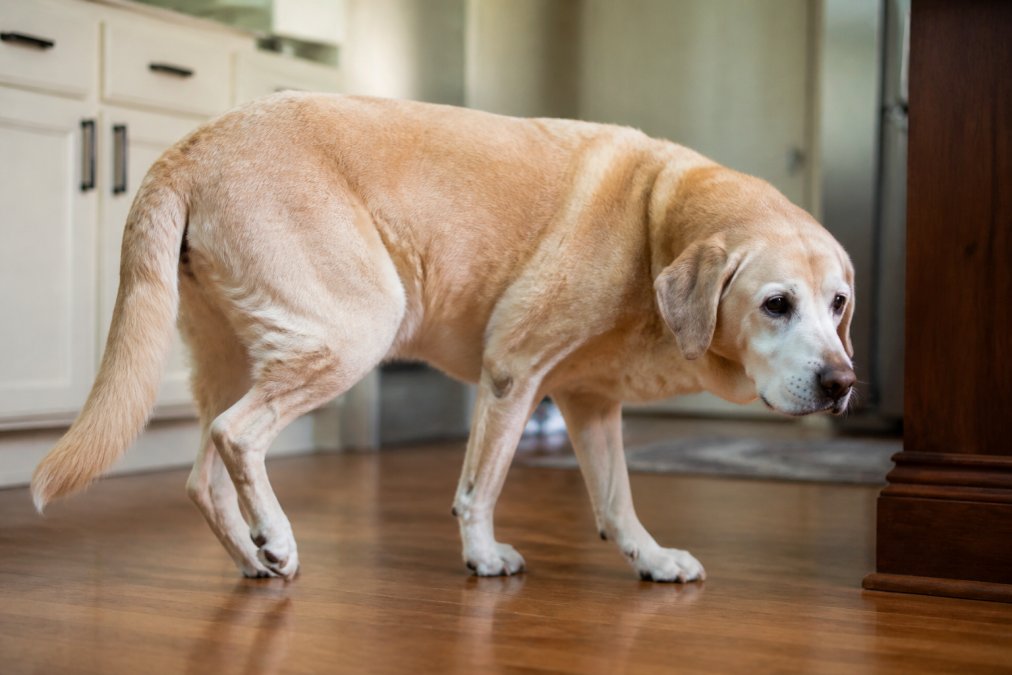
Limping is perhaps the most obvious sign of joint pain in senior dogs. A dog that consistently favors one limb, putting less weight on it while walking or running, is signaling that weight-bearing on that joint causes discomfort. You might notice they step lighter on one paw, shift their weight to the opposite side, or hold the affected leg slightly bent to reduce pressure. The limp may be worse first thing in the morning or after rest, then improve slightly as the joint warms up, a pattern characteristic of arthritis.
Rear legs are most commonly affected because they bear more of a dog's body weight. If you notice your dog consistently favoring one side, schedule a veterinary exam.
Stiffness and Reduced Range of Motion
Stiffness in senior dogs often manifests as reluctance to move fully or a noticeable decrease in normal range of motion. Watch how your dog rises from lying down, they may take longer to stand, hesitate before standing, or use their front legs to push themselves up rather than rising smoothly. Some dogs develop a bunny-hopping motion in their rear legs as arthritis worsens, both hind legs moving together rather than alternating.
Cold weather often exacerbates stiffness because cold temperatures increase fluid viscosity in joints, making movement more difficult.
Difficulty Rising and Climbing Stairs
One of the most telling signs of joint pain is difficulty rising from a resting position. Watch your dog after they've been lying down, do they hesitate before standing or need multiple attempts to fully stand?
Stairs become increasingly challenging as joint pain progresses. A dog that once bounded up and down stairs may now climb slowly, one step at a time, or refuse altogether. Some dogs will go up but show extreme reluctance to come down. Jumping onto furniture, getting into vehicles, or climbing in and out of bathtubs can also become difficult. If your senior dog suddenly avoids activities they once enjoyed, joint pain is often the reason.
Behavioral Changes That Signal Joint Discomfort
Beyond physical movement changes, senior dogs experiencing joint pain often display behavioral shifts reflecting their discomfort.
Lethargy and reduced activity are common. A dog that once loved walks or play may become withdrawn and prefer to rest. This is pain avoidance, not laziness. Over time, reduced activity leads to muscle atrophy, which further weakens joints and worsens the problem.
Irritability and aggression sometimes emerge as pain levels increase. A normally gentle dog might snap or growl when touched near painful joints or when disturbed from rest. Some senior dogs become anxious or restless, struggling to find a comfortable position. Groaning, whimpering, or vocalizations during movement indicate pain.
Loss of appetite can accompany joint pain, particularly if pain levels are high or if the dog is experiencing systemic inflammation.
When to See a Veterinarian
If you notice limping, stiffness, difficulty rising, or behavioral changes, schedule a veterinary appointment. Don't wait to see if the problem resolves on its own, because joint pain typically worsens without intervention.
Your veterinarian will perform a physical examination, assessing your dog's gait, range of motion, and pain response when joints are manipulated. They may recommend X-rays or other imaging to confirm arthritis and establish a baseline for monitoring progression.
Bring a detailed description of the changes you've noticed: when they started, which limbs are affected, what activities seem most difficult, and how symptoms fluctuate with weather or activity level.
Natural Remedies for Dog Arthritis
Many pet owners explore natural approaches to manage their senior dog's joint pain alongside veterinary care. While these remedies should complement, not replace, professional treatment, several options have shown promise.
Glucosamine and chondroitin are among the most commonly used supplements for joint health. These compounds help maintain cartilage structure and reduce inflammation. Many dogs show improvement in mobility and comfort after several weeks of consistent supplementation, though results vary. These supplements work best when started early, ideally before significant cartilage damage has occurred.
Omega-3 fatty acids from fish oil have anti-inflammatory properties that may help reduce joint inflammation. Some research suggests consistent omega-3 supplementation can help manage pain and maintain joint function in aging dogs.
Turmeric, specifically its active compound curcumin, has been studied for anti-inflammatory effects. However, turmeric can interact with certain medications, so discuss it with your veterinarian before starting.
Physical therapy and gentle exercise support joint health. Low-impact activities like swimming or walking on soft surfaces help maintain muscle strength without stressing painful joints. Massage and stretching improve circulation and reduce stiffness.
Orthopedic Dog Bed Benefits and Home Environment Setup
Creating a supportive home environment is one of the most practical ways to improve comfort for a senior dog with joint pain. An orthopedic dog bed is often the single most impactful purchase you can make.
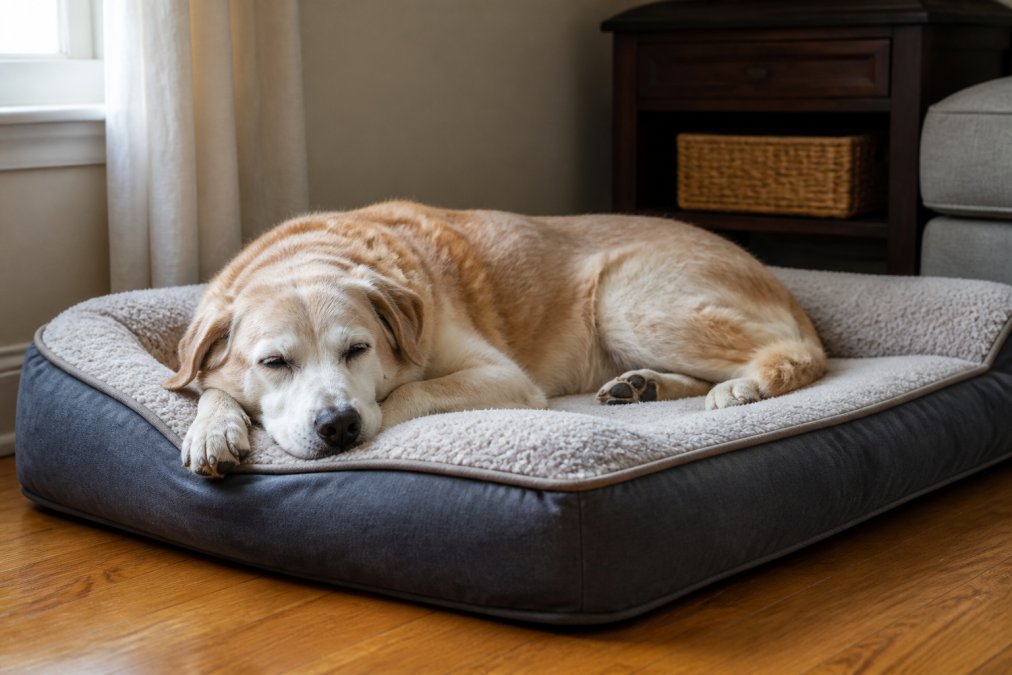
Orthopedic beds provide firm, supportive cushioning that distributes your dog's weight evenly and reduces pressure on painful joints. Memory foam molds to your dog's body shape, providing targeted support where needed most. Unlike soft beds that offer little support, orthopedic beds help maintain proper spinal alignment and reduce strain on joints during rest.
Senior dogs spend more time resting than younger dogs, so a quality bed becomes critical to their quality of life. Dogs sleeping on supportive orthopedic beds often show improved mobility the next day because their joints have been properly supported during the long rest period.
Beyond bedding, modify your home to minimize strain on painful joints. Provide ramps or steps to help your dog access furniture or vehicles without jumping. Use non-slip rugs on hardwood or tile floors, slippery surfaces force dogs to work harder to maintain balance and can cause joint stress. Place food and water bowls at a comfortable height so your dog doesn't have to bend excessively.
Keep your senior dog's living space on one level if possible, minimizing stair climbing. Maintain comfortable temperature, as cold environments exacerbate stiffness.
How to Manage Arthritis in Senior Dogs Long-Term
Long-term arthritis management requires a multi-faceted approach combining veterinary care, environmental modifications, supplements, and activity management.
Work with your veterinarian to establish a pain management plan. Depending on your dog's condition, this might include nonsteroidal anti-inflammatory drugs (NSAIDs), other pain medications, or injectable joint treatments. Regular check-ins help your veterinarian assess whether the current approach is working and adjust as needed.
Maintain a consistent, moderate exercise routine. While rest is important, complete inactivity worsens joint problems by allowing muscles to atrophy and joints to stiffen. Low-impact activities like short walks on soft surfaces, swimming, or hydrotherapy help maintain muscle strength and joint flexibility without excessive strain.
Monitor your dog's weight carefully. Extra weight puts additional stress on already-painful joints. Even modest weight reduction can significantly improve mobility and reduce pain.
Keep detailed records of your dog's mobility, pain behaviors, and response to treatments. This information helps you and your veterinarian fine-tune the management plan over time.
Consider FurEver Finds' curated selection of orthopedic products and comfort solutions designed specifically for senior dogs. From supportive bedding to mobility aids and joint-supporting supplements, quality products can make a meaningful difference in your dog's daily comfort and long-term joint health.
Breed-Specific Joint Pain Predispositions
Certain dog breeds have genetic predispositions to joint problems, making them more likely to develop arthritis as they age. Understanding your dog's breed-specific risk helps you monitor more closely and take preventive action earlier.
Large and giant breeds, German Shepherds, Golden Retrievers, Labrador Retrievers, Great Danes, and Saint Bernards, are particularly prone to hip and elbow dysplasia, a condition where joints don't develop properly. These structural problems accelerate cartilage breakdown and often lead to early-onset arthritis. If you have a large-breed dog, watch closely for signs of joint pain starting in middle age.
Small breeds like Dachshunds, Chihuahuas, and Poodles frequently develop patellar luxation (knee joint instability) and are prone to early joint degeneration. Working and sporting breeds often develop joint problems due to the high-impact activities they were bred for.
Overweight dogs of any breed face increased joint stress. If your dog's breed predisposes them to joint problems, maintaining a healthy weight from early adulthood becomes even more critical.
Discuss your dog's breed-specific risks with your veterinarian. They may recommend preventive measures like joint supplements starting in middle age or activity modifications tailored to your dog's genetic predispositions.
Joint pain in senior dogs is manageable when you recognize the signs early and take action. Watch for physical changes in gait and movement, behavioral shifts that signal discomfort, and difficulty with activities your dog once enjoyed. Your veterinarian is your partner in diagnosis and treatment, but your role as an observer and advocate is equally important.
Creating a supportive home environment with quality orthopedic products, appropriate exercise, and pain management can significantly improve your senior dog's comfort and quality of life. FurEver Finds offers thoughtfully selected orthopedic beds, mobility aids, and comfort solutions designed to support aging dogs through their golden years. With the right approach, your senior dog can continue enjoying their later years with dignity, comfort, and your loving care.
Frequently Asked Questions
How do I know if my dog is suffering from joint pain?
Watch for physical signs like limping, stiffness after rest, difficulty rising from lying down, and reluctance to climb stairs or jump. Behavioral changes also signal joint pain: your dog may avoid activities they once enjoyed, become irritable, experience appetite loss, or spend more time resting. Some dogs lick or chew at their joints. If you notice multiple signs, consult your veterinarian for proper diagnosis.
What are the early warning signs of canine arthritis?
Early arthritis often appears as subtle gait changes, stiffness that improves after movement, or favoring one limb. Your senior dog may hesitate before jumping on furniture or struggle to rise after napping. You might notice decreased activity levels, reluctance to play, or sensitivity when touched in certain areas. Some dogs show behavioral changes like irritability or aggression due to chronic pain. Early detection allows you to start management strategies sooner.
Can joint pain in dogs be treated at home?
Yes, home management is essential for senior dogs with joint pain. Orthopedic beds reduce pressure on joints, while ramps and stairs prevent jumping strain. Natural remedies like omega-3 supplements and glucosamine support joint health. Gentle exercise, weight management, and creating slip-resistant surfaces help. However, home care works best alongside veterinary guidance, your vet may recommend physical therapy, pain medication, or other treatments to maximize your dog's comfort and quality of life.
How long can older dogs live with arthritis?
Dogs with arthritis can live for many years with proper management. Life expectancy depends on the severity of the condition, your dog's overall health, breed, and how well you manage pain and mobility. Many senior dogs thrive for years after diagnosis when given appropriate treatment, environmental modifications, and consistent care. Regular veterinary check-ups, pain management, and lifestyle adjustments significantly improve quality of life and longevity.
This article was written using GrandRanker