


Are Nylon Chew Toys Safe for Dogs?
Table of Contents
- Are Nylon Chew Toys Safe for Dogs?
- The Real Risks of Nylon Ingestion
- Dental Health and Tooth Fracture Risks
- Signs a Dog Toy Is Unsafe
- Durable Dog Chew Toys for Heavy Chewers
- How to Choose the Right Size Dog Toy
- When to Replace a Chew Toy
- Safe Chewing Habits and Supervision
- Frequently Asked Questions
Last Updated: September 20, 2026
Are Nylon Chew Toys Safe for Dogs?
Nylon chew toys are popular with dog owners, but the question of whether are nylon chew toys safe for dogs deserves a careful look. The short answer: nylon chew toys carry real risks that depend heavily on your dog's chewing intensity, age, and supervision habits. The safety of nylon chew toys isn't black-and-white, it's about understanding the specific hazards, recognizing warning signs, and knowing when safer alternatives make sense for your dog. The safety of nylon chew toys isn't black-and-white, it's about understanding the specific hazards, recognizing warning signs, and knowing when safer alternatives make sense for your dog.
Most veterinarians agree that nylon toys fall into a gray zone. They're not inherently toxic, but they can break down into pieces that create serious digestive problems. Understanding these risks helps you make informed decisions about what chew toys belong in your home.
The Real Risks of Nylon Ingestion
Nylon chew toys pose two primary concerns: gastrointestinal blockage and the accumulation of microscopic particles. When dogs chew nylon aggressively, the material doesn't break down like natural fibers do. Instead, it fragments into small, hard pieces that can lodge in the digestive tract or cause inflammation over time.
Gastrointestinal Blockage and Impaction
Gastrointestinal blockage occurs when swallowed nylon pieces accumulate and obstruct the digestive tract. This is a medical emergency. Dogs experiencing blockage show signs like vomiting, lethargy, loss of appetite, and abdominal pain. Blockages often require surgical intervention, which is expensive and carries its own recovery risks.
Impaction is a slower version of the same problem, nylon particles accumulate gradually, restricting normal digestion without a sudden blockage. Impaction can develop over weeks or months, making it harder to connect to the original toy. Aggressive chewers are at highest risk because they consume larger quantities of material faster. Even moderate chewers can experience problems if they're not supervised closely during play.
The risk increases significantly if your dog has a history of eating non-food items or has a smaller digestive tract. Puppies and senior dogs also face greater complications because their digestive systems are more sensitive.
Microscopic Particles and Digestive Impact
Beyond visible chunks, nylon toys shed microscopic particles during chewing. These tiny fragments pass through the digestive system but can cause chronic inflammation of the stomach and intestinal lining. Over time, this inflammation may lead to digestive upset, reduced nutrient absorption, and general discomfort.
Dogs exposed to consistent microscopic particle ingestion sometimes develop vague symptoms: occasional vomiting, loose stools, or reduced appetite. Because the symptoms are mild and gradual, owners often don't connect them to the chew toy. The cumulative effect, however, can compromise digestive health and create susceptibility to other gastrointestinal issues.
Dental Health and Tooth Fracture Risks
Nylon's hardness is a significant problem for dental health. When dogs chew nylon intensely, the material can fracture teeth, especially the large molars used for grinding. Fractured teeth expose the pulp chamber, causing pain and potential infection.
Dogs don't always show obvious signs of tooth damage immediately. A fractured tooth may appear fine on the surface while the crack extends into the root. Over weeks, the tooth becomes infected, leading to abscess formation and serious pain. Infected teeth sometimes require extraction, which impacts your dog's ability to chew and eat normally.
Nylon also contributes to enamel wear and abrasion. Repeated contact with the hard material gradually wears down tooth enamel, exposing the softer dentin beneath. This increases sensitivity and susceptibility to decay. Older dogs and dogs with existing dental issues face compounded risk.
The safest approach: inspect your dog's teeth regularly. Look for visible cracks, discoloration, or signs that your dog is favoring one side of the mouth when chewing. If you notice any changes, have your veterinarian evaluate the teeth.
Signs a Dog Toy Is Unsafe
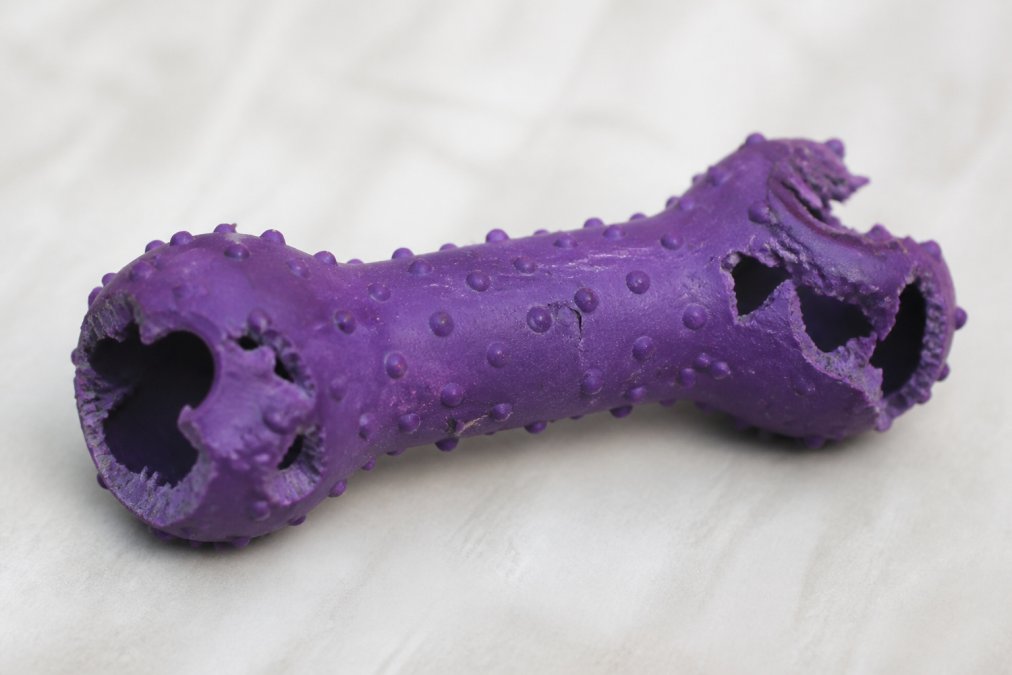
A toy that's safe when new becomes dangerous as it deteriorates. Learning to spot unsafe toys prevents injuries and health problems. The key is regular inspection, not just at purchase, but throughout the toy's life.
Post-Chew Inspection Checklist
After each chewing session, take 30 seconds to evaluate the toy's condition:
- 6 Inch Medium Size Bully Sticks (25 →
- Visible cracks or splits, Any fracture in the nylon means pieces are breaking off. Remove the toy immediately.
- Fraying or peeling edges, Nylon that's starting to separate into strands indicates structural breakdown. The toy is shedding material your dog is ingesting.
- Missing chunks, If pieces are visibly gone from the toy, your dog has swallowed them. This is a blockage risk.
- Sharp or rough edges, Run your finger along the toy's surface. Sharp edges can cut gum tissue and increase infection risk.
- Discoloration or softening, If the nylon feels softer than when new or has changed color, the material is breaking down chemically.
- Odor changes, A sour or chemical smell suggests bacterial growth or material degradation.
- Size comparison to mouth, If pieces of the toy are smaller than your dog's throat diameter, they're a choking hazard.
Toys showing any of these signs should be discarded immediately.
Durable Dog Chew Toys for Heavy Chewers
If your dog is a heavy chewer, the question shifts from "Is this toy safe?" to "Which toy is safest for aggressive chewing?" Durability matters because toys that hold up longer reduce the risk of ingestion and tooth damage.
Nylon vs. Rubber and Natural Materials
The material you choose determines both safety and longevity. Here's how the main options compare:
| Material | Durability | Digestibility | Tooth Risk | Best For |
|---|---|---|---|---|
| Nylon | High initial durability, fragments with heavy use | Non-digestible, blockage risk | High (hard material) | Light to moderate chewers only |
| Rubber (natural) | Moderate durability, tears instead of shatters | Non-digestible but softer | Low (flexible material) | Moderate chewers |
| Bully Sticks | Moderate durability, fully consumed | Fully digestible | Low (natural material) | All chew intensities |
| Rope Toys | Low durability, frays easily | Risk if ingested in large amounts | Low | Supervised play only |
How to Choose the Right Size Dog Toy
Toy size determines both safety and satisfaction. A toy that's too small becomes a choking hazard. A toy that's too large frustrates your dog because they can't get their mouth around it effectively. The right size matches your dog's mouth and jaw strength.
Age-Specific Safety Guidelines
Different life stages require different toy sizes and durability levels. Puppies have developing teeth and smaller mouths. Senior dogs have weaker jaws and potentially compromised dental health. Adult dogs in their prime can handle more strong toys, but supervision still matters.
Size guidelines by weight:
- Small dogs (under 25 lbs): toy diameter at least 1.5 inches
- Medium dogs (25-60 lbs): toy diameter at least 2 inches
- Large dogs (60+ lbs): toy diameter at least 2.5 inches
When to Replace a Chew Toy
Knowing when to retire a toy prevents most safety issues. Many owners keep toys in rotation too long, waiting for them to fail completely. The safer approach is proactive replacement based on visible wear.
Replacement Schedule by Chew Intensity
Light chewers who gnaw occasionally can use the same nylon toy for 4-8 weeks. These dogs apply less pressure and cause slower deterioration. However, even light chewers should have their toys inspected weekly.
Safe Chewing Habits and Supervision
Even with the safest toys, supervision transforms safety from theoretical to practical. A toy that's safe when supervised becomes risky when left unattended for hours. Your presence allows you to intervene if your dog is showing signs of aggressive wear or attempting to consume pieces.
Frequently Asked Questions
Do veterinarians recommend nylon chew toys?
Veterinary opinions on nylon chew toys vary. While they can provide mental stimulation and help maintain dental health through chewing action, many vets recommend caution due to ingestion risks and potential tooth fractures. The safest approach is to supervise your dog during chewing, inspect toys regularly for wear, and choose alternatives like bully sticks or rubber toys if your dog is an aggressive chewer. Always consult your veterinarian about what's best for your specific dog.
What are the safest materials for dog chew toys?
Natural, edible options like bully sticks are among the safest choices because they break down during digestion. Rubber toys designed specifically for chewing, rope toys, and toys made from natural rubber are also safer alternatives. Look for toys without sharp edges, ones that don't splinter or break into small pieces, and products tested for safety. Avoid anything with added chemicals or additives. FurEver Finds offers high-quality bully sticks that are single-ingredient, sustainably sourced, and easily digestible.
Can dogs safely ingest small pieces of nylon?
Small pieces of nylon can pose serious risks. Microscopic particles may pass through the digestive tract without issue, but larger fragments can cause gastrointestinal blockage or impaction, especially in smaller dogs. This can require emergency veterinary surgery. The safest assumption is that any significant nylon ingestion warrants a call to your veterinarian. Monitor your dog for vomiting, constipation, lethargy, or loss of appetite after chewing on nylon toys.
How do I know if a nylon toy is too worn down for my dog?
Inspect toys regularly for visible cracks, splintering, missing chunks, sharp edges, or softening material. If the toy shows structural integrity issues or your dog can easily tear off pieces, it's time to replace it. Toys with visible wear patterns, brittleness, or rough surfaces increase choking and ingestion risks. A good rule is to replace nylon toys every 2-4 weeks for aggressive chewers, or sooner if damage appears. Remove any toy your dog can break apart into small, swallowable pieces.