


Heated Orthopedic Beds for Older Dogs: A Complete Guide
Table of Contents
- What Orthopedic Dog Beds Are and How They Work
- How Heated Orthopedic Beds Benefit Senior Dogs
- Heated Dog Bed Safety for Older Dogs
- Dog Beds for Arthritis: What Pressure Relief Means
- Heated vs. Orthopedic Dog Beds: Which Is Right for Your Senior
- How to Choose a Dog Bed for a Senior Dog
- Realistic Expectations and Long-Term Care
- Frequently Asked Questions
Last Updated: October 4, 2026
What Orthopedic Dog Beds Are and How They Work
An orthopedic dog bed is a specially designed sleeping surface that combines supportive materials, typically high-density foam or memory foam, with ergonomic shaping to reduce pressure on a dog's joints and spine. Unlike standard dog beds that offer minimal support, orthopedic beds distribute your dog's weight evenly across the surface, preventing pressure points that accumulate stress on vulnerable areas.

The core function of an orthopedic dog bed is biomechanical support. High-density foam conforms to your dog's body contours while maintaining firmness underneath, creating a surface that cradles rather than sags. When a bed sags, your dog's spine curves unnaturally during sleep, the same problem human mattresses create. Orthopedic beds prevent this by keeping the spine aligned, which becomes increasingly important as dogs age and their joints weaken.
Heated orthopedic beds add a thermal layer to this support system. Some beds use built-in heating elements powered by electricity, while others use self-warming technology that reflects your dog's own body heat back without requiring a power source. Understanding the difference between these approaches matters significantly for both safety and effectiveness.
How Heated Orthopedic Beds Benefit Senior Dogs
Heated orthopedic beds deliver multiple benefits for aging dogs, though it's important to separate what the science supports from marketing claims. The primary advantages center on joint comfort, sleep quality, and circulation, areas where warmth and pressure relief genuinely work together.
Joint Pain and Arthritis Relief
Heat therapy has long been used in veterinary care to ease joint stiffness and arthritis discomfort. When muscles and connective tissues warm, they relax and become more flexible, which reduces the stiffness older dogs experience, particularly after rest. A heated orthopedic bed provides this warmth continuously during sleep, when senior dogs spend most of their day.
The memory foam component works alongside heat to address arthritis differently. Arthritis causes inflammation and pain because cartilage deteriorates and bones rub together. Memory foam reduces the impact forces traveling through joints by distributing weight across a larger surface area rather than concentrating pressure on specific points. Combined with gentle heat, this can noticeably reduce how stiffly your senior dog moves after waking.
That said, a heated orthopedic bed is not a cure. It manages symptoms and improves comfort, but it doesn't reverse joint damage or eliminate pain entirely. Many owners report their arthritic dogs show improved mobility within the first week of use, though the effect varies based on the severity of arthritis and the individual dog's response to heat.
Improved Sleep Quality and Daytime Comfort
Older dogs sleep more than younger ones, sometimes 16-18 hours daily, which means sleep quality directly affects their overall well-being. A dog struggling to find a comfortable position on a standard bed will shift frequently, wake partially, and never reach deep, restorative sleep. This fragmented sleep accelerates aging and mood decline.
Heated orthopedic beds reduce restlessness by eliminating pressure points that cause discomfort. Your senior dog can settle into one position and stay there, reaching the deep sleep cycles necessary for muscle recovery and mental rest.
The warmth also triggers relaxation responses. Dogs naturally seek warm spots (sunbeams, laps, heating vents), and a heated bed taps into that instinct. The combination of warmth and support creates an environment where your senior dog genuinely wants to rest, rather than reluctantly settling into an uncomfortable bed.
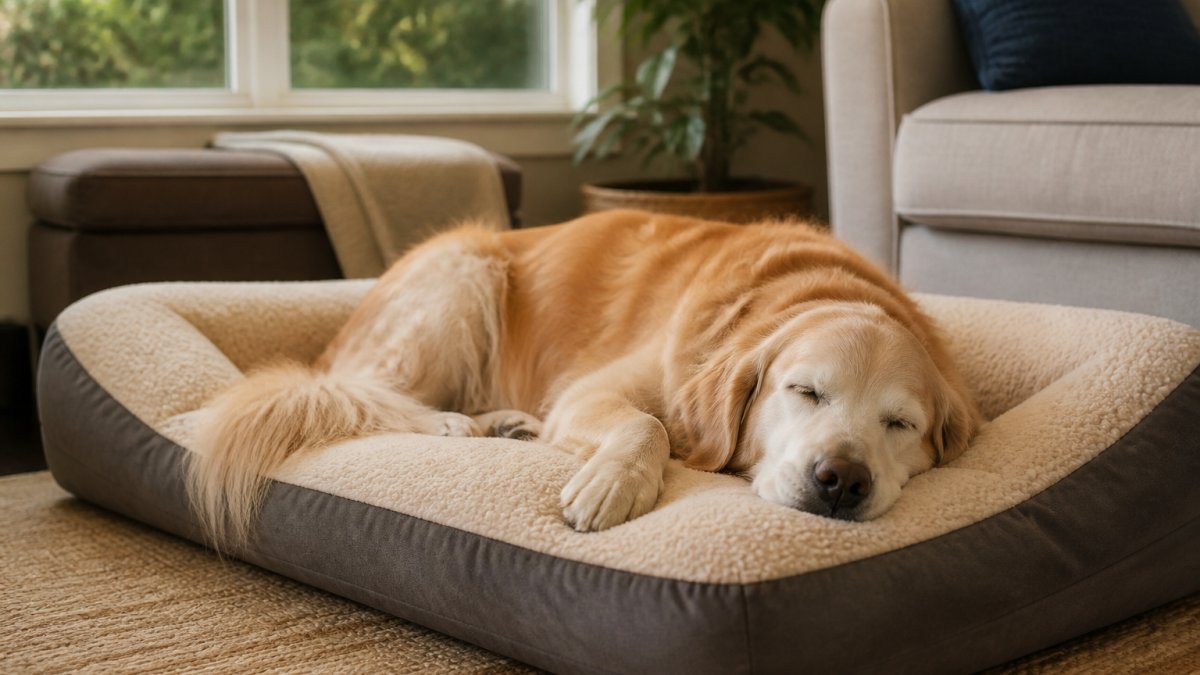
Heat Therapy, Circulation, and Muscle Relaxation
Gentle heat increases blood circulation to muscles and joints, which improves oxygen delivery and helps remove metabolic waste that accumulates in aging tissues. This circulation boost supports muscle recovery, particularly for dogs with reduced mobility who don't exercise as much as younger dogs.
The relaxation effect of warmth is equally important. Muscle tension in senior dogs often develops from compensating for joint pain, if one leg hurts, a dog tightens muscles in other legs to reduce weight-bearing on the painful joint. This compensation creates secondary tension that worsens over time. Heat helps break this cycle by relaxing those compensatory muscles, allowing your dog to move more naturally.
However, this benefit works best as part of a broader approach. A heated orthopedic bed supports circulation and relaxation, but it's not a replacement for appropriate exercise, weight management, or veterinary care for arthritis. Think of it as one tool in your senior dog's comfort toolkit.
Heated Dog Bed Safety for Older Dogs
Safety with heated orthopedic beds requires understanding the difference between active heating and self-warming technology, and knowing when heat is inappropriate for your dog.
Active heating beds use electrical heating elements, similar to a human heating pad. These require a power source and generate consistent warmth. The safety concern is overheating or burns if the heating element malfunctions or if a dog with reduced sensation (some older dogs have nerve damage) cannot move away from excessive heat.
Self-warming beds use materials that reflect body heat, no electricity required. These are inherently safer because they cannot overheat; they simply return warmth your dog already generates.
Heat is inappropriate for dogs with certain conditions. If your senior dog has fever, cancer, or acute inflammation, consult your veterinarian before introducing a heated bed.
Watch for signs of overheating: excessive panting, drooling, lethargy, or refusal to use the bed. These indicate the heat level is too high or the bed is inappropriate for your dog.
Dog Beds for Arthritis: What Pressure Relief Means
Pressure relief is often mentioned but poorly explained. Here's what actually happens: when a dog lies on a standard flat bed, their weight concentrates on bony areas, hips, shoulders, elbows, and the spine. These pressure points compress tissues and restrict blood flow, creating discomfort that worsens with arthritis.
Memory foam and high-density foam redistribute this weight across a larger surface area. Instead of pressure concentrating on bony points, it spreads across the entire contact surface. This reduces localized compression and maintains better circulation, which decreases pain and inflammation.
For arthritic dogs, the foam density matters. Foam that's too soft (low density) will compress and sag under your dog's weight, eventually providing minimal support, defeating the purpose. Foam that's too firm won't conform enough to distribute pressure effectively. Quality orthopedic beds use medium to high-density foam that conforms to your dog's shape while maintaining structural support.
The bed's thickness also affects pressure relief. Thin beds compress quickly and fail to protect joints. Most quality orthopedic beds are 4-6 inches thick, which provides adequate cushioning without excessive softness.
WarmNest Cozy Cave – Self-Warming Tent Bed for Cats & Small Dogs →
Heated vs. Orthopedic Dog Beds: Which Is Right for Your Senior
These aren't either-or choices, they're complementary features that work together. However, understanding the distinction helps you make the right choice for your dog's specific needs.
Orthopedic beds without heat provide pressure relief and support through foam structure alone. They're ideal for dogs whose primary issue is joint pain from arthritis or age-related stiffness, especially in moderate climates. They're also safer for dogs with heat sensitivity or certain medical conditions.
Heated orthopedic beds older dogs benefit from combine pressure relief with thermal therapy. They're ideal for senior dogs in cold climates, dogs with severe arthritis who benefit from continuous warmth, or dogs with poor circulation.
Self-warming orthopedic beds (like the WarmNest Cozy Cave from FurEver Finds) offer a middle ground. They provide pressure relief and gentle warmth without electricity, making them safer and simpler.
Your choice depends on your dog's climate, arthritis severity, and your comfort with electrical heating. In cold regions with arthritic dogs, active heating beds make sense. In moderate climates or for dogs with mild discomfort, orthopedic beds alone or self-warming options may be sufficient.
How to Choose a Dog Bed for a Senior Dog
Selecting the right bed requires evaluating your senior dog's specific needs rather than choosing based on appearance or price alone.
1. Assess your dog's primary issue. Does your dog have arthritis, general stiffness, anxiety, or simply need better support?
2. Evaluate foam quality and thickness. Look for beds with high-density memory foam or similar supportive materials, at least 4 inches thick. Cheap foam compresses quickly and loses its support within months.
3. Consider your climate and home temperature. If you live in a cold region or keep your home cool, heating becomes more valuable.
4. Check for washable covers. Senior dogs sometimes have accidents. Beds with removable, machine-washable covers are far more practical than those requiring spot-cleaning only. This extends the bed's usable life significantly.
5. Verify size appropriately. Your dog should be able to stretch out fully and curl up without hanging off the edge.
6. Look for non-slip bottoms. Senior dogs with reduced traction need beds with gripping surfaces on hardwood or tile floors. Slippery beds cause falls and injuries.
7. Test the bed's durability. Read reviews from owners of older dogs specifically (not just any dog owner).
Realistic Expectations and Long-Term Care
A heated orthopedic bed improves comfort and can noticeably reduce stiffness and restlessness, but it's not a medical treatment. It won't cure arthritis, reverse joint damage, or eliminate all pain. What it does is manage symptoms and improve quality of life, which matters enormously for aging dogs.
Realistic expectations: Your senior dog should show improved mobility within the first week, better sleep quality within 2-3 weeks, and reduced nighttime restlessness. Over months, you may see improved daytime mood and energy.
Long-term care extends the bed's life and maintains its effectiveness. Wash covers every 2-4 weeks to prevent odor and bacterial buildup. Vacuum the foam surface regularly to remove dust and pet hair. For heated beds, inspect wiring and heating elements monthly for damage.
When the foam begins compressing noticeably (usually after 3-4 years of daily use), the bed loses its orthopedic benefits. This is normal wear, not a defect. At that point, replacement becomes necessary to maintain the support your senior dog relies on.
Choosing the right bed for your aging dog is one of the most practical decisions you can make for their comfort and mobility.
Frequently Asked Questions
Can a heated dog bed help a dog with arthritis?
Yes. Heat therapy increases blood circulation and relaxes muscles around arthritic joints, reducing stiffness and pain. Combined with memory foam that distributes weight evenly and reduces pressure on painful joints, a heated orthopedic bed addresses both warmth and structural support. Many older dogs show improved mobility and spend more time awake and active after using one, though results vary based on arthritis severity.
Are heated beds safe for senior dogs?
Heated orthopedic beds are safe when used correctly. Keep the temperature moderate (around 102-104°F, matching normal dog body heat), never use continuously for more than 8 hours at a time, and monitor your dog for signs of overheating like excessive panting or restlessness. Dogs with heart conditions, fever, or certain medications should use heated beds only under veterinary guidance. Always provide a way for your dog to move away from the heat source.
What's the difference between a heated orthopedic bed and a self-warming bed?
Heated beds use electricity to generate warmth actively, while self-warming beds use reflective materials or insulation to trap your dog's own body heat. Heated beds provide consistent, stronger warmth and are better for dogs with severe arthritis or those living in very cold homes. Self-warming beds like the WarmNest Cozy Cave require no electricity, making them safer for dogs prone to overheating and ideal for mild climates or dogs who need gentle warmth without active heating.
How do I know if my senior dog is too hot in bed?
Watch for excessive panting, drooling, restlessness, or your dog repeatedly leaving and returning to the bed. Some dogs will move to cooler spots in the room if overheated. If your dog shows these signs, lower the bed's temperature, limit use to shorter periods, or switch to a self-warming option. Older dogs with heart or respiratory issues are more sensitive to heat, so monitor closely and consult your vet if you're unsure.