


Is a Pet Stroller Worth It for Senior Dogs With Arthritis?
Table of Contents
- The Honest Verdict: When a Pet Stroller Actually Helps an Arthritic Dog
- Signs of Arthritis in Senior Dogs: Is It Time to Rethink Walks?
- Beyond the Walk: Real Benefits of a Pet Stroller for Senior Dogs
- How to Choose a Dog Stroller for Mobility Issues
- Why You Need the Best Orthopedic Beds for Senior Dogs in 2026 Too
- Stroller Training and Maintenance: Making the Investment Work
- Our Top Pick for Arthritic Dogs: The FurEver Finds Foldable Stroller
- Conclusion: Is It Worth It for Your Dog's Quality of Life?
- Frequently Asked Questions
Last Updated: September 7, 2026
When your senior dog starts slowing down on walks, the question of whether is a pet stroller worth it for senior dogs with arthritis becomes deeply personal. You watch them hesitate at the curb, sniff the air longer than they walk, and you wonder if you are being selfish by bringing them along at all. At FurEver Finds, we offer curated mobility aids for aging pets, and the honest answer is that a stroller transforms from a luxury into a genuine quality-of-life tool when joint pain limits how much ground your dog can safely cover. The real value is not replacing walks entirely, but extending the joy of the outing while protecting those aching joints from overexertion.

Below, we will walk you through the specific signs that your dog needs support, the benefits beyond simple transportation, and exactly how to choose a stroller that fits your dog's mobility issues. We will also cover the training and maintenance that make the investment worthwhile.
The Honest Verdict: When a Pet Stroller Actually Helps an Arthritic Dog
A pet stroller is worth it for senior dogs with arthritis when the goal shifts from physical exercise to environmental enrichment. For a dog whose joints are stiff and painful, a 20-minute walk can cause more harm than good, leading to increased inflammation and soreness that lasts for days (PubMed).
The stroller allows your dog to experience the world, see new sights, and enjoy the fresh air without the physical toll. A common mistake is waiting until your dog refuses to walk entirely. By then, they have already lost muscle mass and stamina, making recovery harder. The sweet spot is introducing the stroller when you notice your dog tiring after a short distance but still showing enthusiasm for being outdoors.
Signs of Arthritis in Senior Dogs: Is It Time to Rethink Walks?
Recognizing signs of arthritis in senior dogs early is the key to knowing when a stroller becomes a practical aid rather than an indulgence. The most telling indicators are gait abnormalities, such as a bunny-hopping gait in the hind legs, stiffness after rest, and a visible reluctance to climb stairs or jump onto furniture (avma.org).
Other common signs include lagging behind on walks, flinching when touched near the joints, and excessive licking of the paws or joints. Many owners mistake these behaviors for laziness or old age, but they often signal canine arthritis and joint pain. If your dog used to pull toward the park and now hesitates at the front door, that change in enthusiasm is your cue.
Veterinary consultation is essential to confirm arthritis and rule out other conditions like hip dysplasia or chronic illness (vcahospitals.com). Your vet can also help you manage pain with supplements, medication, and weight management, which directly impacts how much walking your dog can safely handle.
| Sign of Arthritis | What It Looks Like | Stroller Consideration |
|---|---|---|
| Stiffness after rest | Difficulty standing or slow to start moving | Use stroller for the first part of the outing |
| Lagging on walks | Falls behind or stops frequently | Walk one block, then load into stroller |
| Reluctance to jump | Hesitates at curbs or furniture | Stroller eliminates jumping entirely |
| Bunny-hopping gait | Hind legs move together | Limit forced walking; prioritize stroller time |
Beyond the Walk: Real Benefits of a Pet Stroller for Senior Dogs
The benefits of a stroller extend far beyond simple transportation. For dogs with arthritis, the stroller provides orthopedic support during outings, preventing the jarring impact of pavement on inflamed joints. This low-impact activity keeps your dog engaged without the risk of injury.
A stroller also offers significant anxiety reduction. Senior dogs with vision or hearing loss often feel vulnerable on walks. The elevated, enclosed cabin of a stroller gives them a secure vantage point, reducing stress and making the outing a positive experience. This is particularly valuable for dogs with chronic illness who need to conserve energy for recovery.
How to Choose a Dog Stroller for Mobility Issues
Learning how to choose a dog stroller for mobility issues starts with measuring your dog, not just looking at weight capacity. You need to measure your dog's length from nose to tail base and their height from floor to shoulder. A stroller cabin should be long enough for your dog to lie down comfortably and tall enough for them to stand without crouching.
Consider the terrain you will cover. If you live in a city with smooth sidewalks, a basic wheel set works. For parks, trails, or uneven ground, look for all-terrain wheels and a suspension system to absorb shocks that would otherwise jostle your dog's joints. Weight capacity matters too, but it should never be the only number you check.
Key Safety Features We Look For
Safety features are non-negotiable when transporting a mobility-impaired pet. We prioritize a safety tether inside the cabin to prevent your dog from jumping out mid-ride, which could cause a serious fall. Locking brakes on the rear wheels keep the stroller stationary when you stop, and a foldable design makes it easy to store between uses.
Ventilation is another critical element. Mesh panels provide airflow and allow your dog to see out, which reduces anxiety. Look for a zippered enclosure that keeps your dog secure while still offering a view. Comfort padding on the floor adds orthopedic support, and a durable frame ensures the stroller handles daily use without wobbling. The Foldable Pet Stroller checks these boxes with its breathable cabin and smooth-rolling wheels.
Why You Need the Best Orthopedic Beds for Senior Dogs in 2026 Too
A stroller addresses outdoor mobility, but your dog's joints need support indoors as well. This is why orthopedic beds are a necessary complement to any stroller purchase. After a stimulating outing, your dog needs a recovery surface that cushions their joints and promotes healthy sleep.
High-density foam beds distribute weight evenly, relieving pressure on arthritic hips and elbows. The FurEver Finds Dog Stairs Ramp for Bed offers joint-friendly foam steps that help your senior dog reach the couch or bed without the jarring impact of jumping. This combination of stroller for outings and orthopedic support at home creates a complete care plan for canine mobility.

Stroller Training and Maintenance: Making the Investment Work
Introducing a stroller requires patience and a process called desensitization training. Start by placing the stroller in your living room with the cabin open. Let your dog sniff it and reward them with treats near the stroller. On day two, place a comfortable blanket inside and encourage your dog to step in voluntarily for a treat.
Once your dog is comfortable inside, take short, slow laps around your yard with the stroller stationary or moving gently. Keep the first real outing under five minutes and always end on a positive note. Stroller training takes time, but a dog that associates the stroller with treats and safe outings will hop in willingly.
Maintenance is equally important for hygiene and longevity. Wipe down the frame and wheels after each use, especially if you walked through mud or rain. Most stroller cabins have removable, washable fabric liners. Wash these regularly to prevent odors and bacteria buildup, which is crucial for a dog that may spend extended time inside.
| Training Step | Duration | Frequency | Goal |
|---|---|---|---|
| Introduction to stroller | 2-3 days | 2 sessions daily | Dog sniffs and investigates freely |
| Step-in practice | 3-5 days | 1-2 sessions daily | Dog enters cabin for treats |
| Short indoor rides | 1 week | Daily | Dog stays calm during movement |
| Outdoor acclimation | 1-2 weeks | Every other day | Dog enjoys full outings stress-free |
Our Top Pick for Arthritic Dogs: The FurEver Finds Foldable Stroller
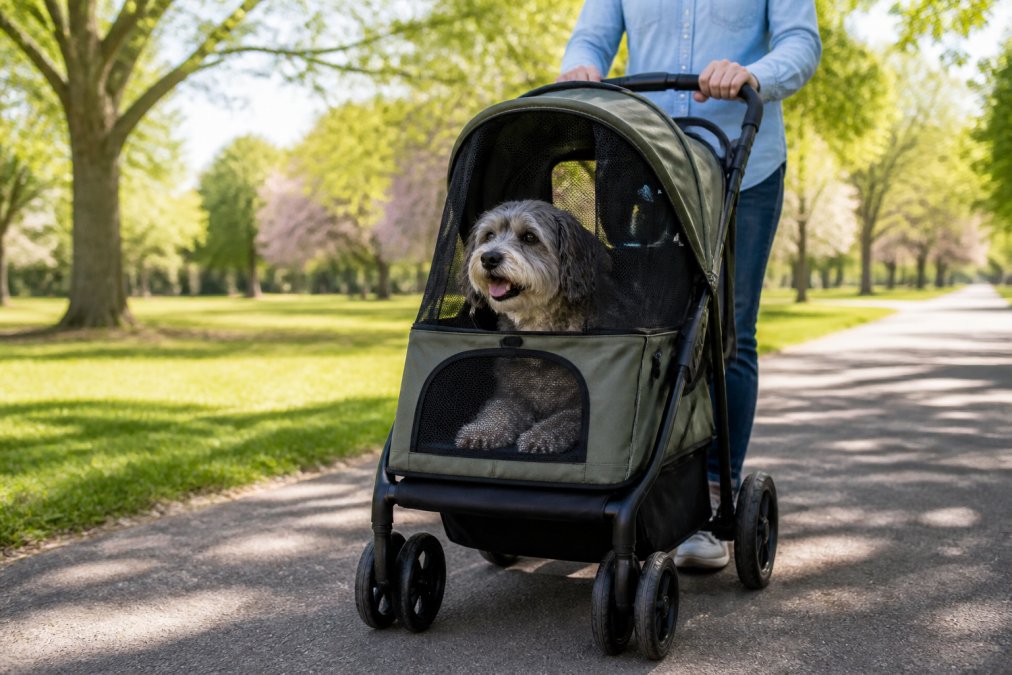
Our top pick for arthritic dogs is the Foldable Pet Stroller - Glide in Style, Stroll in Comfort. At $72.99, it delivers the essential combination of safety, comfort, and convenience that senior dog care demands. The lightweight, foldable frame makes it easy to store in a car trunk or closet, so it is always ready for an outing.
The spacious interior features mesh panels for ventilation and visibility, keeping your dog cool and engaged. The zippered enclosure works with the safety tether to prevent sudden exits, and the smooth-rolling wheels provide a stable ride on sidewalks and park paths. For dogs with mobility issues, the sturdy frame supports them securely, making trips to the vet, park, or simply around the block a stress-free experience for both of you.
Conclusion: Is It Worth It for Your Dog's Quality of Life?
The decision of whether is a pet stroller worth it for senior dogs with arthritis comes down to what your dog values most: being with you, experiencing the world, and feeling safe. A stroller preserves those experiences without sacrificing joint health. It is not about giving up on walks; it is about redefining what an outing means for a dog whose body is aging faster than their spirit.
Managing a senior dog's arthritis requires a holistic approach that combines veterinary care, exercise modification, and the right supportive equipment. At FurEver Finds, we have curated products to support this journey, from the Foldable Pet Stroller for outdoor adventures to the Dog Stairs Ramp for Bed for indoor comfort. Our thoughtfully selected items are built for quality, with next-day delivery for orders placed by 12 PM so you can start improving your dog's routine right away.
Get started with FurEver Finds and give your senior dog the gift of comfortable, joyful outings again.
Frequently Asked Questions
Are dog strollers good for senior dogs with arthritis?
Yes, for many dogs they are. A pet stroller is worth it for senior dogs when arthritis makes long walks painful or impossible. It allows your dog to enjoy outdoor smells, sights, and social interaction without putting stress on inflamed joints. Think of it as a mobility aid, not a replacement for exercise. You can still let your dog walk short distances and then ride the rest of the way. This preserves stamina and provides mental enrichment, which is vital for dogs with chronic joint pain.
What is best for senior dogs with arthritis?
Your veterinarian will likely recommend pain medication and supplements for canine arthritis. At home, you should focus on weight management, low-impact activity like swimming, and providing supportive surfaces. This is where a pet stroller for mobility issues and an orthopedic bed come in. A stroller extends your dog's world without causing joint stress, while a high-quality orthopedic bed supports stiff joints during sleep. Together, they significantly improve daily comfort and quality of life.
What features should I look for in a stroller for an arthritic dog?
Prioritize features that ensure a smooth, safe, and comfortable ride. Look for a stroller with a high weight capacity that matches your dog's size. All-terrain wheels and a suspension system are non-negotiable if you plan to walk on uneven sidewalks or trails, as they absorb shock and prevent jarring your dog's joints. A safety tether inside prevents injury if your dog tries to jump out. Also look for locking brakes, a foldable design for easy transport, and good ventilation for warm days.
Can a pet stroller help my dog maintain social enrichment?
Absolutely. This is one of the biggest benefits. Dogs with mobility issues often miss out on social interaction and mental stimulation because they can't walk far. A stroller lets you take your arthritic dog to the park, on errands, or just around the block. Your dog can see the world, smell new scents, and greet people without experiencing pain or anxiety from struggling to keep up. This can significantly reduce anxiety and boredom, contributing to better overall pet wellness.
How long can an elderly dog live with arthritis?
Arthritis is a manageable condition, not a terminal one. With proper veterinary care, pain management, and lifestyle adjustments, many dogs live happily for years after a diagnosis. The key is proactive management. This includes maintaining a healthy weight, providing joint-friendly exercise, and using supportive aids like ramps, orthopedic beds, and pet strollers to reduce stress on their joints. The goal is to minimize pain and maintain a good quality of life for as long as possible.