


Elevated Orthopedic Dog Beds for Joint Pain Relief
Table of Contents
- Why Elevated Orthopedic Dog Beds Matter for Joint Health
- Signs Your Dog Needs an Orthopedic Bed
- Elevated Dog Beds for Arthritis: What Makes Them Different
- Orthopedic vs. Regular Dog Beds: Key Differences
- Dog Beds for Hip Dysplasia and Post-Surgical Recovery
- How to Choose a Dog Bed for Joint Pain
- FurEver Finds Elevated Dog Cooling Bed: Premium Support for Aging Dogs
- Frequently Asked Questions
Last Updated: October 8, 2026
Why Elevated Orthopedic Dog Beds Matter for Joint Health
Elevated orthopedic dog beds for joint pain relief combine two critical design features: height and support. The raised platform lifts your dog off cold, hard floors while the orthopedic foam provides targeted pressure relief where your dog needs it most. This combination addresses a core problem many pet owners face: watching their aging or arthritic dogs struggle to get comfortable at night.
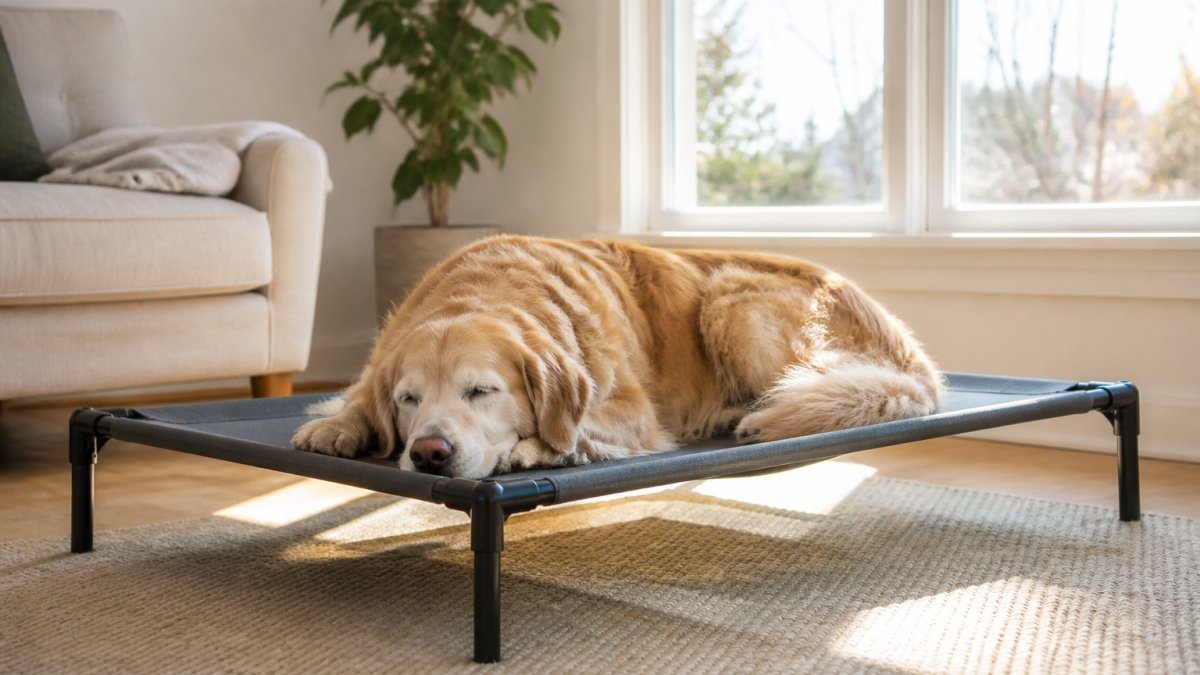
How Elevation Reduces Pressure on Joints
The elevation itself matters more than many pet owners realize. When a dog rests on the ground, their body absorbs cold and moisture from the floor. This triggers joint stiffness, especially in dogs with osteoarthritis or hip dysplasia. An elevated design keeps your dog suspended above these harsh surfaces, reducing the inflammatory response that worsens joint pain overnight.
The airflow beneath an elevated bed also prevents heat buildup. Dogs with joint inflammation benefit from cooler sleeping surfaces, which naturally reduce swelling. This is why elevated orthopedic dog beds for joint pain relief work better than traditional floor beds for aging dogs, the design actively works against the conditions that make pain worse.
Airflow and Temperature Control for Comfort
Temperature regulation is often overlooked in bed selection, but it's essential for dogs with joint issues. High-density foam retains heat, which can feel comforting initially but often increases inflammation as the night progresses. Elevated designs solve this by allowing air to flow freely beneath and around the sleeping surface.
The combination of elevation and proper foam density creates a microclimate that stays cool without being cold. Dogs with arthritis tend to move less during sleep, so they rely on their bed to maintain optimal temperature throughout the night. A bed that stays too warm accelerates joint stiffness by morning.
Signs Your Dog Needs an Orthopedic Bed
Your dog is signaling joint pain through specific behaviors. Struggling to rise after rest, reluctance to climb stairs, or limping when first getting up are classic signs that your current bedding isn't providing enough support.
Other indicators include excessive panting while lying down, restlessness throughout the night, or avoiding favorite sleeping spots because they've become uncomfortable. Some dogs will circle repeatedly before lying down, trying to find a position that doesn't hurt. These behaviors mean your dog's current bed isn't addressing their joint support needs.
Age alone doesn't determine when to upgrade. A five-year-old large breed dog may need orthopedic support before a ten-year-old smaller dog. The key is watching for pain signals rather than waiting for a specific birthday.
Elevated Dog Beds for Arthritis: What Makes Them Different
Arthritis changes how a dog's body handles pressure and temperature. Unlike a healthy dog that can sleep on any surface, an arthritic dog needs a bed that actively reduces inflammation.
An arthritis-focused bed combines three elements: orthopedic foam that supports without being too firm, elevation that keeps the dog off cold floors, and breathable materials that prevent heat accumulation. Regular dog beds fail on all three counts. They offer minimal support, sit directly on the ground, and trap body heat.
The FurEver Finds Elevated Dog Cooling Bed addresses these specific needs. Its raised design promotes airflow beneath the sleeping surface, keeping your dog cooler and more comfortable throughout the night. The sturdy frame provides stable support, and the durable sleeping surface withstands daily use without breaking down.

Memory Foam Density and Support
Memory foam density determines how well a bed supports your dog's joints. Low-density foam compresses too easily, allowing your dog to sink toward the frame, which defeats the purpose of orthopedic support. High-density foam, conversely, can feel too firm and create pressure points rather than relieving them.
The ideal range for arthritic dogs is medium-firm density. This firmness supports the dog's weight while still conforming slightly to the body's natural contours. Medium-firm foam also maintains its shape longer, so the bed doesn't flatten into an unusable state after a few months of use.
Weight Distribution and Pressure Point Relief
How weight distributes across a bed directly affects joint pain. When a dog lies on an uneven surface, their weight concentrates on the hips, shoulders, and spine, exactly where arthritis causes the most pain. A properly designed orthopedic bed distributes weight evenly, reducing pressure on these critical joints.
Elevated beds excel at this because the suspended surface naturally distributes pressure more evenly than a bed sitting on the ground. The raised frame acts as a secondary support layer, preventing the sagging that occurs with floor-level beds after extended use.
Orthopedic vs. Regular Dog Beds: Key Differences
The distinction matters more than marketing suggests. A regular dog bed prioritizes comfort and style. An orthopedic bed prioritizes joint support and therapeutic benefit. These are fundamentally different design goals.
| Feature | Orthopedic Bed | Regular Bed |
|---|---|---|
| Foam Density | Medium-firm for joint support | Soft or variable |
| Elevation Option | Often elevated design | Typically floor-level |
| Pressure Relief | Specifically designed | Incidental |
| Durability | Retains shape long-term | Breaks down faster |
| Airflow | Prioritized for cooling | Not a primary feature |
| Price | Higher initial investment | Lower cost |
Regular beds work fine for healthy young dogs. They're comfortable, affordable, and adequate for daily rest. But for dogs with joint pain, arthritis, or post-surgical recovery needs, a regular bed actively worsens the problem by providing insufficient support and trapping heat.
Orthopedic beds cost more upfront because they use better materials and more complex construction. The elevated orthopedic dog beds for joint pain relief category specifically combines both features, elevation for airflow and orthopedic foam for support, creating a bed that addresses multiple pain sources simultaneously.
Dog Beds for Hip Dysplasia and Post-Surgical Recovery
Hip dysplasia creates chronic joint instability that worsens without proper support. Unlike arthritis, which develops gradually, hip dysplasia is often present from birth but becomes painful as the dog ages. An elevated orthopedic bed provides the continuous support these dogs need to prevent further joint degradation.
Post-surgical dogs have different needs than chronically arthritic dogs. After surgery, a dog's healing timeline depends partly on how well their body rests. A bed that keeps the surgical area cool, elevated, and pressure-free directly supports faster recovery.
Post-Surgical Recovery Protocols
Recovery from orthopedic surgery requires specific bed conditions. The area around the surgical site needs to stay cool to minimize swelling. The dog's body position should prevent stress on the healing joint. Movement should be minimized during the critical healing window.
An elevated orthopedic bed supports all three requirements. The raised design keeps the surgical area away from floor moisture and contamination. Airflow beneath the bed maintains cool temperatures that reduce post-surgical inflammation. The supportive foam prevents the dog from shifting into positions that stress the healing joint.
Most veterinarians recommend keeping post-surgical dogs on orthopedic support for 6-8 weeks minimum, sometimes longer depending on the procedure. During this time, a regular bed or the dog's previous sleeping spot is inadequate.
How to Choose a Dog Bed for Joint Pain
Selecting the right bed requires matching three variables: your dog's size, your dog's specific joint condition, and your space constraints. Getting any of these wrong means the bed won't deliver the relief your dog needs.
Start by identifying your dog's primary joint issue. Is it general aging, diagnosed arthritis, hip dysplasia, or post-surgical recovery? Each condition benefits from slightly different bed characteristics. An arthritic dog needs maximum pressure relief. A post-surgical dog needs elevation and cooling. A dog with hip dysplasia needs continuous support to prevent further joint damage.
Size, Breed, and Weight Considerations
Bed size directly affects support quality. A bed that's too small forces your dog into a curled position all night, which increases joint stiffness. A bed that's too large allows excessive movement, preventing the stable support your dog needs.
Measure your dog in a natural sleeping position, not curled up, but stretched out slightly. Add 6-8 inches in each direction to find the minimum bed size. Large and extra-large breed dogs benefit from larger beds because their weight creates more pressure on joints.
Weight also determines the type of elevation system you need. Heavier dogs require sturdier frames and higher-density foam. A lightweight dog can use more delicate elevated designs, but larger breeds need strong construction that won't sag under sustained weight.
Material Durability and Water Resistance
Durability matters because orthopedic beds are a significant investment. A bed that breaks down after six months defeats the purpose. Look for beds with covers that are machine washable and materials that retain their shape through extended use.
Water resistance becomes important if your dog spends time outdoors or if accidents happen. An elevated bed with water-resistant fabric prevents moisture from seeping into the foam, which would compromise support and create odor problems. The FurEver Finds Elevated Dog Cooling Bed features an easy-to-clean sleeping surface suitable for both indoor and outdoor placement, making maintenance straightforward.
FurEver Finds Elevated Dog Cooling Bed: Premium Support for Aging Dogs
The FurEver Finds Elevated Dog Cooling Bed ($171.95) combines all the features that matter for joint pain relief.
What sets this bed apart is the thoughtful combination of elevation and cooling. The elevated design naturally cools your dog while the supportive surface prevents pressure point pain.
The bed comes in multiple sizes to accommodate different dog breeds, from small dogs to extra-large breeds. It's suitable for both indoor and outdoor placement, giving you flexibility in where your dog rests.
Watching your dog struggle with joint pain is frustrating when solutions exist. An elevated orthopedic bed addresses the root causes, pressure on joints, heat buildup, and lack of support, rather than just masking the symptoms.
Frequently Asked Questions
Do orthopedic dog beds actually help with joint pain?
Yes. Orthopedic dog beds reduce pressure on joints by distributing weight evenly across supportive surfaces, which decreases strain on arthritic joints and dysplastic hips. Elevated designs add airflow circulation that keeps dogs cooler and more comfortable, especially for aging dogs with reduced mobility. The combination of memory foam support and ergonomic design helps dogs rest without waking from pain, improving recovery time and daily movement.
What is the difference between an orthopedic dog bed and a regular dog bed?
Orthopedic dog beds use high-density memory foam and ergonomic shapes to provide targeted joint support, while regular beds offer basic cushioning without therapeutic benefits. Orthopedic beds are designed specifically for dogs with arthritis, hip dysplasia, or aging joints, with features like pressure relief and spinal alignment. Regular beds prioritize comfort alone and do not address the medical needs of dogs with joint conditions. For dogs with joint pain, orthopedic beds deliver measurable relief that regular beds cannot.
Are raised dog beds easier for older dogs to get in and out of?
Elevated dog beds reduce the distance dogs must lower themselves to rest, which decreases strain on hips, knees, and shoulders. For older dogs with mobility challenges, this means less jumping, climbing, or awkward positioning. The raised frame also keeps dogs off cold, damp, or dusty ground surfaces, which can aggravate joint stiffness. However, very tall elevated frames may still be difficult for dogs with severe mobility issues; choose a height that allows your dog to step in comfortably without jumping.
What type of dog bed is best for a dog with hip dysplasia?
Dogs with hip dysplasia benefit most from elevated orthopedic beds with high-density memory foam that supports the hip joint and reduces pressure during rest and recovery. An elevated design keeps the dog off cold floors that can stiffen dysplastic hips, while the supportive base prevents the dog from sinking into the bed, which would strain the joint. Post-surgical recovery also requires a bed that minimizes movement and provides stable support. Look for beds with durable, non-toxic materials and water-resistant covers for easy cleaning during recovery periods.