


Help Senior Dogs Sleep Better With Arthritis
Last Updated: October 23, 2026
Quick Summary
Senior dogs arthritis sleep improves with an orthopedic memory foam bed, proper positioning, pain management, and a temperature-controlled sleep environment between 65-70°F. A quality bed reduces pressure points on arthritic joints, while consistent bedtime routines and gentle evening exercise help your senior dog rest longer without waking from discomfort.
- Memory foam beds with high-density foam distribute weight evenly and reduce pressure points on arthritic joints.
- Room temperature between 65-70°F prevents inflammation and stiffness that worsen nighttime pain.
- Gentle massage for 5-10 minutes before bed improves circulation and signals your dog it's time to sleep.
- A short, slow walk 2-3 hours before bedtime helps loosen stiff joints without overstimulation.
- Dog stairs or ramps eliminate painful jumping and reduce strain when accessing the bed.
Table of Contents
- Recognizing Signs of Arthritis in Senior Dogs
- How Arthritis Affects Sleep and Mobility
- Choosing the Best Dog Bed for Arthritis
- How to Make a Dog With Arthritis Comfortable
- Arthritis Pain Relief for Dogs at Night
- Building a Bedtime Routine for Your Senior Dog
- When Nighttime Discomfort Needs Veterinary Attention
- Measuring Sleep Improvement and Quality of Life
- Frequently Asked Questions
Recognizing Signs of Arthritis in Senior Dogs
Arthritis in older dogs often develops quietly, affecting senior dogs arthritis sleep quality and overall comfort. You might notice your senior dog moving slower in the mornings or struggling to stand after rest.
Common signs of arthritis in senior dogs include:
- Stiffness that improves with movement
- Reluctance to jump or climb stairs
- Limping or favoring one leg
- Difficulty getting up from lying down
- Swelling in joints
- Less interest in play or walks
- Behavioral changes like increased irritability
Your dog may also shift weight differently when standing or have trouble finding a comfortable sleeping position.
Pain affects how your dog rests, and managing senior dogs arthritis sleep is crucial for their recovery. A dog in discomfort won't settle into deep, restorative sleep.
How Arthritis Affects Sleep and Mobility
Arthritis changes how your senior dog moves and rests.
When joints stiffen, your dog struggles with basic movements:
- Rolling over in bed
- Changing sleeping positions
- Getting up to use the bathroom
- Lying down on hard floors
- Jumping on or off furniture
Limited mobility creates a painful feedback loop. Your dog can't find comfortable positions, so sleep becomes fragmented.
At night, your dog's body temperature naturally drops (Sleep and thermoregulation). Cooler temperatures can increase joint stiffness and arthritis pain.
Poor sleep quality also affects your dog's overall health. Dogs need adequate rest for immune function, pain management, and emotional well-being.
Choosing the Best Dog Bed for Arthritis
The right bed is your first line of defense against nighttime arthritis pain.
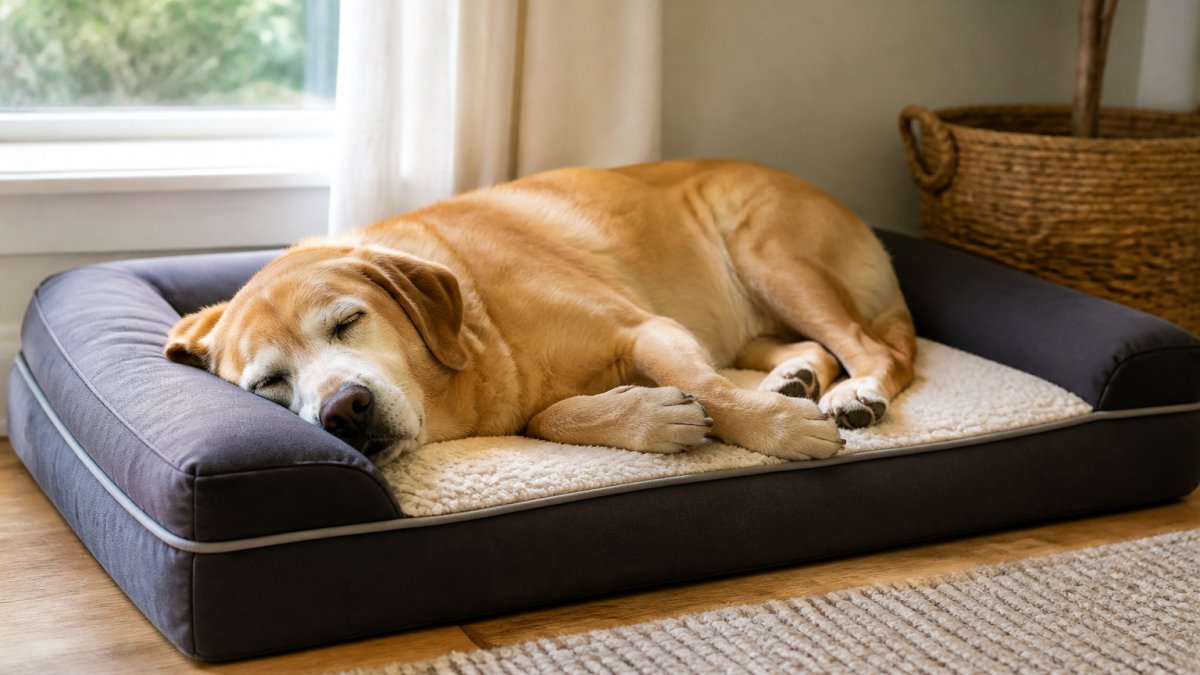
When choosing a bed, focus on support, pressure relief, and ease of access. The best dog bed for arthritis combines these features with your dog's specific needs.
Memory Foam and Pressure Relief Features
Memory foam conforms to your dog's body shape, distributing weight evenly across the sleeping surface. Learn whether memory foam beds are actually effective for your senior dog's arthritis.
Look for beds with high-density memory foam. You can also explore elevated orthopedic bed options that provide joint pain relief.
Pressure relief matters most for dogs with severe arthritis or elbow calluses. These dogs have bony areas that press into regular beds, creating painful pressure points.
At FurEver Finds, we offer the Elevated Dog Cooling Bed. Its raised design promotes airflow and keeps your dog off hot, damp, or dusty ground surfaces.
Bed Height and Access Considerations
A bed that's too low forces your arthritic dog to strain when lying down and getting up. A bed that's too high requires painful jumping or climbing.
For small to medium dogs, a bed height of 4-6 inches works well. Larger dogs often do better with 6-8 inches. If your dog struggles with access, consider adding Dog Stairs Ramp for Bed to eliminate jumping entirely.

The Foldable 2-In-1 Dog Stairs offers another option. These pet stairs have four wide steps designed with a gradual, ramp-like incline specifically for aging and arthritic dogs, reducing joint stress.

Placement matters too. Put the bed in a quiet, warm area away from drafts. Avoid cold tile or hardwood floors.
How to Make a Dog With Arthritis Comfortable
Comfort goes beyond just the bed. Your senior dog's entire sleep environment affects pain levels and sleep quality. Small changes in your approach can significantly improve your dog's nighttime experience.
Creating a Quiet, Temperature-Controlled Sleep Space
A quiet bedroom helps your dog sleep deeply without waking to sounds. Constant noise disrupts sleep cycles and prevents the deep rest your dog needs for pain management and healing.
Temperature control is equally important. Most dogs sleep best in rooms between 65-70°F. Warmer temperatures can increase inflammation, while colder temperatures increase stiffness.
Lighting affects sleep quality too. Bright light suppresses melatonin production and prevents deep sleep. Use soft, warm lighting in your dog's sleep area.
Managing Nighttime Toileting and Incontinence
Senior dogs with arthritis often need more frequent bathroom breaks at night.
Create easy access to outdoor toileting. If your dog sleeps upstairs, consider setting up a temporary sleeping area on the ground floor near a door.
For dogs with nighttime incontinence, waterproof bed covers can be helpful.
Keep nighttime trips short and calm. Let your dog outside, wait quietly, and bring them back to bed.
Some dogs benefit from a designated potty area closer to their bed.
Create the ideal sleep environment by controlling these key factors.
| Factor | Ideal Range | Why It Matters |
|---|---|---|
| Room temperature | 65-70°F | Warmer increases inflammation; colder increases stiffness |
| Massage duration | 5-10 minutes | Improves circulation and reduces muscle tension |
| Warm compress time | 10-15 minutes | Increases blood flow and relaxes muscles around joints |
| Gentle walk timing | 2-3 hours before bed | Allows movement without overstimulation before sleep |
| Swimming duration | 10-15 minutes | Supports joints and allows impact-free movement |
Arthritis Pain Relief for Dogs at Night
Pain management is essential for good sleep. Multiple approaches work together to reduce nighttime pain and help your dog rest.
Veterinary Pain Management Options
Your veterinarian can recommend pain medications specifically designed for arthritic dogs. These medications reduce inflammation and block pain signals, making sleep possible for dogs in severe discomfort.
Common pain management approaches include:
- Nonsteroidal anti-inflammatory drugs (NSAIDs)
- Joint supplements like glucosamine and chondroitin
- Prescription pain medications
- Injectable joint treatments
- Combination therapies
Your vet will recommend the best option based on your dog's age, overall health, and severity of arthritis. Many dogs benefit from pain medication in the evening, allowing them to sleep through the night without waking from discomfort.
Natural and Complementary Therapies
Beyond medication, several natural approaches support joint health and reduce pain.
Gentle massage improves circulation and reduces muscle tension around arthritic joints.
Warm compresses applied before bedtime can ease stiffness. Use a warm (not hot) compress on affected joints for 10-15 minutes.
Proper nutrition can support joint health and pain management. Learn about natural dietary approaches to complement pain management strategies.
Low-impact exercise during the day improves mobility and reduces nighttime stiffness.
Building a Bedtime Routine for Your Senior Dog
A consistent bedtime routine signals to your dog that it's time to wind down and prepare for sleep. This routine helps regulate your dog's natural sleep cycle and reduces anxiety.
Gentle Exercise Before Sleep
Gentle activity during the evening helps your dog sleep better at night. However, avoid vigorous exercise that could cause pain or overstimulation.
A short, slow walk 2-3 hours before bedtime works well. Keep the pace relaxed. Your goal is gentle movement, not exercise. This helps your dog use the bathroom, loosen stiff joints, and burn off restless energy.
Swimming is excellent for arthritic dogs. The water supports joints and allows movement without impact. Even 10-15 minutes of gentle swimming can improve nighttime comfort.
Avoid exercise right before bed. Your dog needs time to cool down and settle.
Positioning and Support Aids
Help your dog find comfortable sleeping positions. Some arthritic dogs do better on their sides, while others prefer their backs.
Orthopedic beds with raised edges help dogs maintain position throughout the night.
Some dogs benefit from additional support pillows placed under their head, neck, or back legs.
The Small Quiettime Deluxe Coco Chic Pet Bed is plush, tufted, and over-stuffed, providing a cozy bed for rest and relaxation.

Allow your dog to adjust positions freely. Dogs need to shift weight to relieve pressure on different joints.
When Nighttime Discomfort Needs Veterinary Attention
Most nighttime discomfort improves with the strategies above. However, some situations require immediate veterinary care.
Contact your veterinarian if your dog shows:
- Severe pain that prevents sleep entirely
- Sudden worsening of nighttime symptoms
- Limping that doesn't improve with rest
- Swelling or heat in joints
- Loss of appetite or lethargy
- Difficulty breathing or coughing
- Signs of infection like fever or discharge
These symptoms may indicate progression of arthritis, joint injury, or other health issues requiring professional evaluation. Your vet can adjust pain management, recommend additional therapies, or rule out other conditions.
Nighttime behavior changes also warrant veterinary attention. If your previously calm dog becomes restless, anxious, or aggressive at night, discuss this with your vet. These changes often signal inadequate pain control.
Measuring Sleep Improvement and Quality of Life
Track your dog's sleep patterns to measure whether your changes are working. Better sleep indicates that your pain management approach is successful.
Monitor these indicators:
- Hours of continuous sleep without waking
- Morning stiffness severity
- Daytime energy and activity level
- Willingness to move and play
- Overall mood and behavior
- Nighttime bathroom frequency
- Signs of pain or discomfort
Keep a simple log. Note your dog's sleep quality each night and any changes you've made. After 2-3 weeks, patterns will emerge showing what works best for your dog.
Improved sleep should translate to better daytime quality of life. Your dog should have more energy, less pain, and greater willingness to move and interact.
Helping your senior dog sleep better with arthritis requires a thoughtful combination of comfort, pain management, and environmental support. Our Dog Stairs Ramp for Bed reduces strain when your dog accesses their bed, while our elevated and memory foam options provide the support your arthritic dog needs for restorative sleep.
Frequently Asked Questions
What are the signs of arthritis in senior dogs?
Common signs include stiffness after rest, limping or favoring a leg, reluctance to jump or climb stairs, difficulty getting up or lying down, swelling around joints, and behavior changes like restlessness at night. Your dog may also show reduced activity, reluctance to play, or signs of pain when touched on affected joints. If you notice these changes, consult your veterinarian for diagnosis and treatment options.
How can I make my senior dog with arthritis more comfortable while sleeping?
Start with an orthopedic bed that provides memory foam or pressure relief to support joints. Place the bed in a quiet, draft-free area away from temperature extremes. Use dog stairs or ramps to reduce jumping impact on joints. Consider gentle warmth through a heated bed or blanket, maintain a consistent bedtime routine, and ensure your dog has easy access to water and outdoor toileting areas during the night. Discuss pain management options with your veterinarian.
What type of bed is best for a dog with arthritis?
Look for orthopedic beds with memory foam or high-density foam that distributes pressure evenly and reduces stress on joints. The bed should have raised edges for support and easy entry and exit. Beds designed to fit inside crates provide containment and stability. The Small Quiettime Deluxe Coco Chic Pet Bed ($23.80) offers ultra-soft, overstuffed support, while the Elevated Dog Cooling Bed ($171.95) promotes airflow and keeps your dog off hot, damp, or dusty ground surfaces. Choose a size that matches your dog's length and sleeping position.
Can arthritis pain make a dog restless at night?
Yes, joint pain and stiffness often increase at night, especially after rest, causing restlessness, frequent position changes, and sleep disruption. Cold temperatures and inactivity during sleep can stiffen joints further. Your dog may struggle to find a comfortable position or wake frequently. A supportive bed, warm sleep environment, pain management from your veterinarian, and a calming bedtime routine can help reduce nighttime restlessness and improve sleep quality.
