


7 Signs of Separation Anxiety in Dogs
Last Updated: October 25, 2026
Quick Summary
Signs of separation anxiety in dogs include excessive barking, howling, whining, destructive behavior like chewing or scratching, pacing, physical stress responses such as panting or trembling, house soiling accidents, and anticipatory anxiety around departure cues. Recognizing these behaviors and documenting when they occur helps you discuss concerns with a veterinarian or behavior professional.
- Vocalization, destructive behavior, pacing, house soiling, and anticipatory anxiety are key signs to document and discuss with a professional.
- Video monitoring and behavior logs help you record what time you left, how long you were gone, and which behaviors occurred.
- Consult a veterinarian if your dog injures themselves, behavior worsens despite training, or shows extreme panic or aggression.
- Destructive behavior and vocalization can have different causes, so a veterinarian can help assess whether it is separation anxiety.
- A veterinarian or behavior professional can discuss training options, routine changes, and whether counter-conditioning is appropriate for your dog.
Table of Contents
- What Separation Anxiety Looks Like: Recognizing the Signs
- Dog Separation Anxiety vs. Boredom: How to Tell the Difference
- When to Use Video Monitoring and Behavior Logs
- How to Help a Dog with Separation Anxiety
- Separation Anxiety Training for Dogs: Building Independence
- Why Your Dog Barks When Left Alone and What It Means
- When to Consult a Veterinarian or Behavior Professional
- Comfort Tools to Support Your Anxious Dog
- Frequently Asked Questions
What Separation Anxiety Looks Like: Recognizing the Signs
Separation anxiety in dogs is a condition where a dog experiences extreme distress when separated from their owner or left alone. It's one of the most common behavioral problems pet owners face, and the signs can range from mild to severe. Your dog may not be being destructive or disobedient out of spite.
Recognizing behaviors that occur around departures can help you decide what to discuss with a veterinarian or behavior professional.
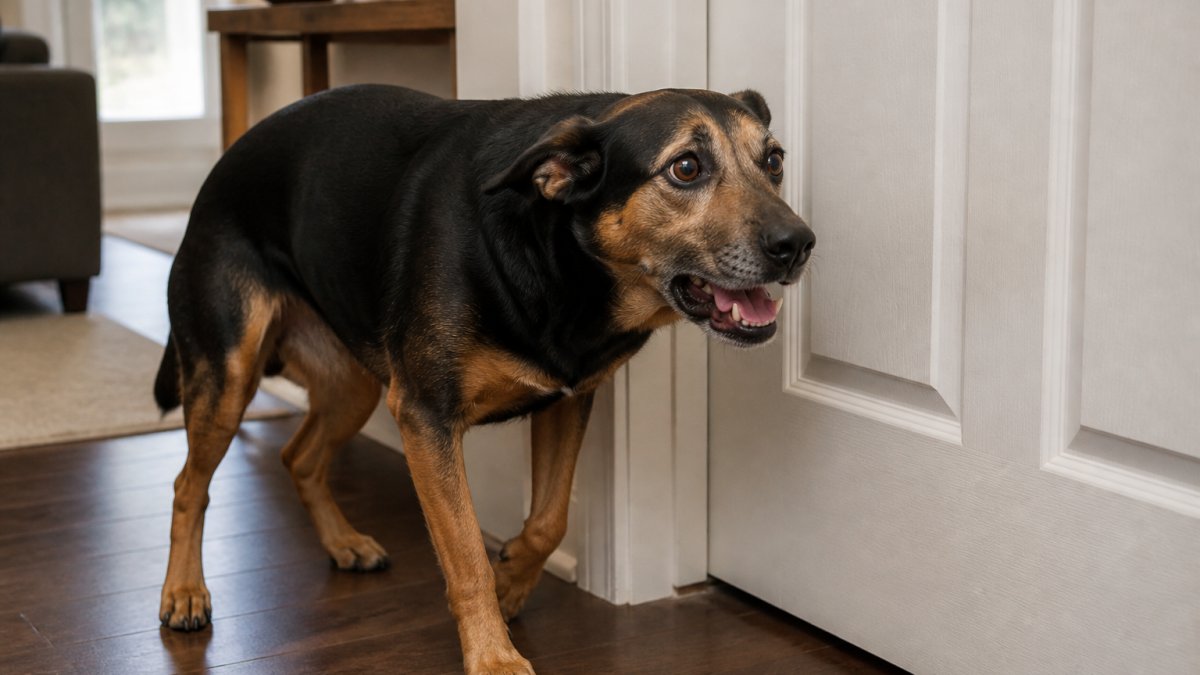
Excessive Barking, Howling, and Whining
A dog may bark, howl, or whine when left alone.
You can note when vocalization occurs and discuss the pattern with a veterinarian or behavior professional.
Vocalization when a dog is left alone is one behavior to note and discuss with a veterinarian or behavior professional.
Destructive Behavior and Damage to Your Home
Chewing, scratching, or digging when a dog is alone are behaviors to note and discuss with a veterinarian or behavior professional.
If you find damage after leaving your dog alone, note what happened and discuss it with a veterinarian or behavior professional.
If your dog destroys things during your absence, note when it happens and discuss the behavior with a veterinarian or behavior professional. Learn more about why your dog chews furniture when left alone and specific strategies to address this behavior.
Pacing, Restlessness, and Physical Stress Responses
Pacing or following you from room to room before you leave are behaviors to note and discuss with a veterinarian or behavior professional.
You can note behaviors such as panting, drooling, trembling, or lip licking and discuss them with a veterinarian or behavior professional.
You can note whether behaviors occur around departure cues, such as putting on shoes or moving toward the door, and discuss the pattern with a veterinarian or behavior professional.
House Soiling and Accidents Despite Training
A house-trained dog having accidents indoors is worth discussing with a veterinarian, especially if the accidents occur during your absence.
Accidents can have different causes, so discuss them with a veterinarian.
House soiling can have different causes. Discuss it with a veterinarian rather than assuming it is a training issue.
Anticipatory Anxiety and Departure Cues
You can note whether your dog shows behaviors around departure cues, such as picking up keys, putting on a coat, or moving toward the door, and discuss them with a veterinarian or behavior professional.
You can note whether your dog follows you, paces, vocalizes, blocks a doorway, or jumps on you before you leave, and discuss the behavior with a veterinarian or behavior professional.
You can record which departure cues precede the behavior and share that information with a veterinarian or behavior professional.
Dogs with separation anxiety display a range of behaviors that owners should recognize and document.
| Behavior | Description | What to Note |
|---|---|---|
| Vocalization | Barking, howling, or whining when left alone | When vocalization occurs and the pattern |
| Destructive Behavior | Chewing, scratching, or digging during absence | What was damaged and when it happened |
| Physical Stress | Panting, drooling, trembling, or lip licking | Whether behaviors occur around departure cues |
| House Soiling | Accidents indoors despite training | Whether accidents occur during your absence |
| Anticipatory Anxiety | Following you, pacing, or blocking doorways before departure | Which departure cues precede the behavior |
Dog Separation Anxiety vs. Boredom: How to Tell the Difference
Destructive behavior or vocalization can have different causes. A veterinarian or behavior professional can help assess your dog's behavior and discuss appropriate next steps.
You can record when behaviors start and stop during your absence and share the observations with a veterinarian or behavior professional.
You can note the type and location of any damage and discuss it with a veterinarian or behavior professional.
You can note whether behaviors occur when you are home, when you leave, or both, and share that information with a veterinarian or behavior professional.
When to Use Video Monitoring and Behavior Logs
Video monitoring can let you observe your dog's behavior during your absence. A pet camera with live video can help you note patterns to discuss with a veterinarian or behavior professional.
Start a behavior log. Record what happens during your absence:
- What time you left and returned
- How long you were gone
- What behaviors occurred (barking, destruction, pacing, soiling)
- When the behaviors started and stopped
- Whether your dog seemed to calm down before you returned
These notes can help you describe what you observed to a veterinarian or behavior professional.
The Pet Camera Robot Indoor from FurEver Finds lets you monitor your dog remotely with live video and two-way audio. You can check in and speak to your dog while you're away.

How to Help a Dog with Separation Anxiety
If you are concerned about your dog's behavior when alone, discuss it with a veterinarian or behavior professional.
A veterinarian or behavior professional can discuss an approach suited to your dog's behavior.
A veterinarian or behavior professional can discuss whether a designated space is appropriate for your dog.
The ChewPal CuddleBuddy is a plush toy with a built-in squeaker. The Interactive Puzzle Ball releases treats or kibble as your pet rolls and plays.
A veterinarian or behavior professional can discuss whether changes to your routine may be appropriate for your dog.
Separation Anxiety Training for Dogs: Building Independence
A veterinarian or behavior professional can discuss training options for your dog.
A veterinarian or behavior professional can advise whether practicing departure cues is appropriate for your dog.
A veterinarian or behavior professional can advise on an appropriate approach to departures.
A veterinarian or behavior professional can discuss how to handle departures and arrivals.
A veterinarian or behavior professional can discuss whether counter-conditioning is appropriate for your dog.
Why Your Dog Barks When Left Alone and What It Means
Barking when left alone can have different causes. Discuss your dog's behavior with a veterinarian or behavior professional.
You can note the intensity and duration of barking and discuss your observations with a veterinarian or behavior professional.
You can note when barking occurs during your absence and share the observations with a veterinarian or behavior professional.
Barking can have different causes. A veterinarian or behavior professional can help assess your dog's behavior.
When to Consult a Veterinarian or Behavior Professional
A veterinarian can assess your dog's behavior and discuss appropriate next steps.
Consult your vet if:
- Your dog is injuring themselves during episodes
- Behavior has worsened despite training efforts
- Your dog shows extreme panic or aggression
- House soiling is accompanied by other health concerns
- Vocalization is so intense it's causing hearing damage to your dog
You can discuss your dog's behavior with a veterinarian or behavior professional.
Discuss medication questions with your veterinarian.
Comfort Tools to Support Your Anxious Dog
Products can offer features such as interactive play or a squeaker. A veterinarian or behavior professional can advise on your dog's needs.
Calming toys are essential. Toys that dispense treats keep your dog mentally engaged. The Interactive Puzzle Ball releases treats as your dog plays, providing mental stimulation and positive association with alone time. Durable toys designed for anxious dogs withstand intense chewing.
Soft, comforting toys provide emotional support. The ChewPal CuddleBuddy with its squeaker and plush material offers both comfort and engagement. Many anxious dogs benefit from having a soft toy to cuddle during stressful periods.
A veterinarian or behavior professional can discuss whether changes to your dog's routine are appropriate.
You can note which toys your dog uses and discuss your observations with a veterinarian or behavior professional.
Separation anxiety in dogs is treatable, but it requires patience, consistency, and often professional support. Start by identifying the specific signs your dog displays. Document patterns with video monitoring. Work with your veterinarian or a behavior professional to develop a training plan tailored to your dog's needs. FurEver Finds offers the calming toys and monitoring tools that support your dog through this process. Begin with the right tools and guidance, and you'll help your anxious dog build the independence and confidence they need to feel safe alone.
Frequently Asked Questions
What are the most common signs of separation anxiety in dogs?
Behaviors to note include barking or howling when you leave, chewing or scratching, pacing, panting, drooling, trembling, and house soiling. You can also note whether behaviors occur before you depart or specifically when you're gone. Discuss your observations with a veterinarian or behavior professional.
How do I tell if my dog has separation anxiety or is just bored?
Chewing, panting, drooling, trembling, or other behavior can have different causes. You can record when behaviors start and stop and discuss your observations with a veterinarian or behavior professional.
Can I use a pet camera to monitor my dog's separation anxiety?
The Pet Camera Robot Indoor lets you monitor your dog remotely with live video and two-way audio. You can check in and speak to your dog while you're away. You can note what you observe and discuss it with a veterinarian or behavior professional.
When should I see a veterinarian about my dog's separation anxiety?
If you are concerned about your dog's behavior when alone, or your dog is at risk of injury, discuss your concerns with a veterinarian. A veterinarian can advise on appropriate next steps.
