


Durable Enrichment Toys for Heavy Chewers
Table of Contents
- Why Heavy Chewers Need Durable Enrichment Toys
- Understanding Your Dog's Chewing Behavior and Jaw Strength
- Safe Materials for Heavy Duty Dog Toys
- How to Keep a Heavy Chewer Entertained
- Interactive Puzzle Toys for Power Chewers
- Choosing the Right Size and Durability Level
- Supervised vs. Unsupervised Play: Safety First
- Conclusion
Last Updated: August 25, 2026
Why Heavy Chewers Need Durable Enrichment Toys
Heavy chewers are dogs with an intense drive to bite, tear, and destroy whatever ends up in their mouths. This isn't a behavioral problem, it's a natural expression of their jaw strength and mental energy. Without proper outlets, destructive behavior escalates. Your couch, shoes, and furniture become targets. More importantly, dogs chewing on inadequate toys risk ingesting fragments, choking, or damaging their teeth.
Durable enrichment toys for heavy chewers serve a critical dual purpose: they channel destructive impulses into productive play while keeping your dog mentally engaged. The right toy can mean the difference between a satisfied, tired dog and one that tears through your home in frustration.
At FurEver Finds, pet owners of power chewers often make the same mistake: they buy standard toys designed for average dogs, then express frustration when they shred in minutes. The real issue isn't the dog, it's the mismatch between toy durability and the dog's actual bite force. A heavy chewer needs toys engineered specifically for their strength level.
The mental stimulation aspect matters as much as the physical durability. Dogs that chew aggressively often do so because they're bored, anxious, or have excess energy (peer-reviewed research). Enrichment toys that dispense treats, require problem-solving, or change texture as the dog works through them keep the brain engaged. That engagement translates to fewer destructive behaviors elsewhere in your home.
Understanding Your Dog's Chewing Behavior and Jaw Strength
Chewing behavior varies dramatically by breed, age, and individual temperament. A two-year-old pit bull has fundamentally different jaw strength than a five-year-old golden retriever, even if both are labeled "heavy chewers." Understanding your specific dog's chewing profile helps you select toys that match their actual power level.
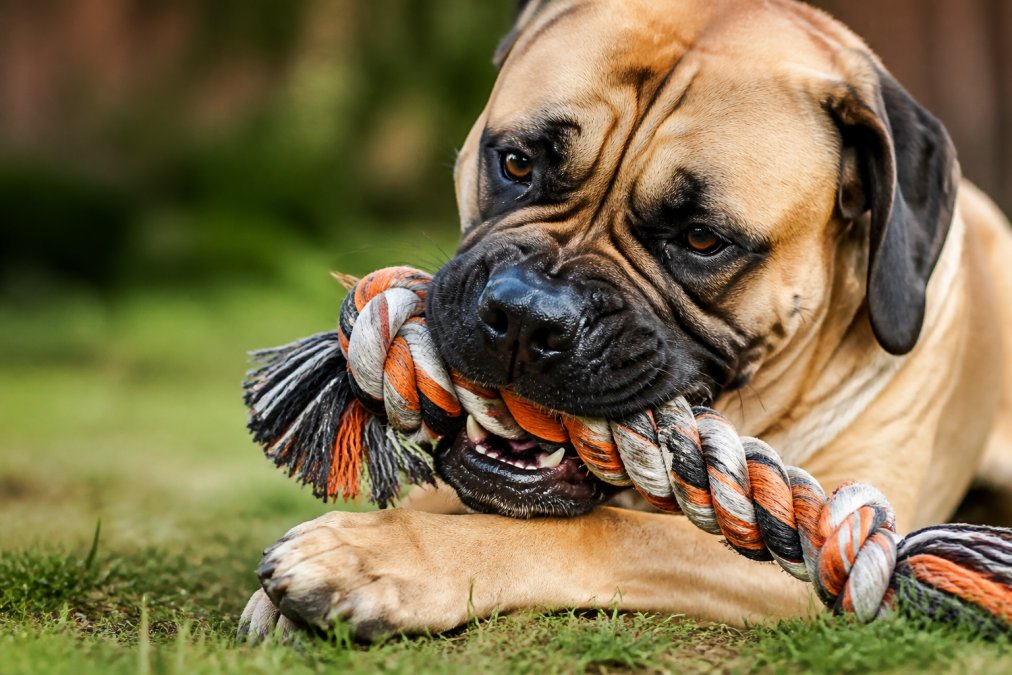
Jaw strength correlates loosely with breed but varies significantly within breeds. Terriers, pit bulls, rottweilers, and mastiffs typically have powerful bite force. But individual dogs differ, some small breeds are aggressive chewers, while some large breeds are gentle. The most reliable indicator is observation: watch how quickly your dog demolishes current toys. If a standard rubber toy lasts less than a week, you're dealing with a genuine power chewer.
Chewing behavior psychology matters here. Dogs chew for several reasons: teething (puppies), anxiety relief, boredom, attention-seeking, or simply because they enjoy the sensation. A dog that chews destructively when left alone is likely experiencing separation anxiety or understimulation. A dog that chews aggressively during play might just have high prey drive and need an outlet. The toy you choose should address the underlying motivation.
Younger dogs tend to be more aggressive chewers than older dogs. Puppies are teething and exploring the world through their mouths (aaha.org). Dogs aged 1-3 years often have peak energy and chewing drive. Senior dogs, especially those with dental issues, may need softer options despite their historical chewing intensity. Your dog's age shapes which materials work best.
Safe Materials for Heavy Duty Dog Toys
Not all durable materials are safe for heavy chewers. A toy might last forever because it's made of toxic plastic, or it might be perfectly safe but tear into dangerous fragments. The material choice determines both longevity and safety.
Rubber is the most common durable toy material. Natural rubber (latex) is generally safe but can degrade and shed pieces (the FDA). Synthetic rubber compounds are more stable but vary in quality. Look for toys made from food-grade or veterinary-grade rubber, these undergo safety testing. Avoid cheap rubber toys that smell strongly of chemicals; that odor indicates poor-quality compounds that may contain harmful substances.
Nylon represents another popular option. Nylon bones and chew toys are engineered to resist tearing. The advantage is durability, quality nylon toys can last months or even years with heavy chewers. The downside is that nylon doesn't break down if swallowed, so fragments pose a choking or blockage risk. Nylon toys require supervised play or removal after chewing sessions.
Rope toys offer interactive play value and natural wear patterns. Dogs can see and feel the fibers separating as they chew, which provides psychological satisfaction. However, rope toys shed fibers that can tangle in the digestive system if ingested. Rope is best for supervised, interactive play (tug-of-war) rather than unsupervised chewing.
Natural materials like bully sticks and yak cheese chews are digestible and safe if swallowed. Bully sticks, for example, are high-protein chews made from beef muscle. They're long-lasting for heavy chewers and completely edible. The FurEver Finds 6 Inch Medium Size Bully Sticks (25 Count) offer a premium option at $69.58 per bulk pack, providing substantial value for dogs that work through chews quickly.

Avoid materials that splinter easily (wood, certain plastics), materials that contain BPA or phthalates (cheap plastics), and anything with small parts that could be choking hazards. Check toy labels for safety certifications or third-party testing when available. Toys marketed as "non-toxic" should ideally come from reputable manufacturers with verifiable safety standards.
How to Keep a Heavy Chewer Entertained
Entertainment for power chewers goes beyond handing them a toy and hoping they stay occupied. Rotation, variety, and engagement strategies keep chewing from becoming destructive.
Toy rotation prevents boredom and extends toy life. Instead of leaving all toys available, rotate them weekly. A toy your dog ignored last month becomes "new" and exciting when reintroduced. This approach also reduces wear on individual toys, making them last longer. Heavy chewers that have access to the same toy constantly will destroy it faster than dogs that encounter it intermittently.
Treat-dispensing toys add a problem-solving element. Rather than just chewing for sensation, the dog works to extract rewards. This engages the brain and provides motivation to keep chewing the toy rather than switching to furniture. Puzzle toys that require rolling, manipulating, or nosing to release treats are particularly effective for intelligent, driven dogs.
Environmental enrichment matters as much as toy selection. Dogs that spend hours alone in empty rooms chew destructively out of boredom. Dogs with access to windows, outdoor time, or interactive play sessions have less pent-up energy. The best toy is part of a larger enrichment strategy that includes exercise, mental stimulation, and social interaction.
Supervised play sessions turn toys into interactive experiences. Tug-of-war with a rope toy, fetch with a durable ball, or interactive games with treat-dispensing toys engage the dog and you simultaneously. These sessions build the bond, tire the dog, and show your dog that toys are for engagement, not just solo destruction.
Chewing is a natural behavior that shouldn't be eliminated, it should be channeled. Providing appropriate outlets reduces the likelihood that your dog will seek inappropriate targets. A dog with access to engaging chew toys, regular play, and mental stimulation is far less likely to destroy your home.
Interactive Puzzle Toys for Power Chewers
Interactive puzzle toys combine durability with mental engagement. These aren't passive chew toys, they require the dog to think, manipulate, and work for rewards.
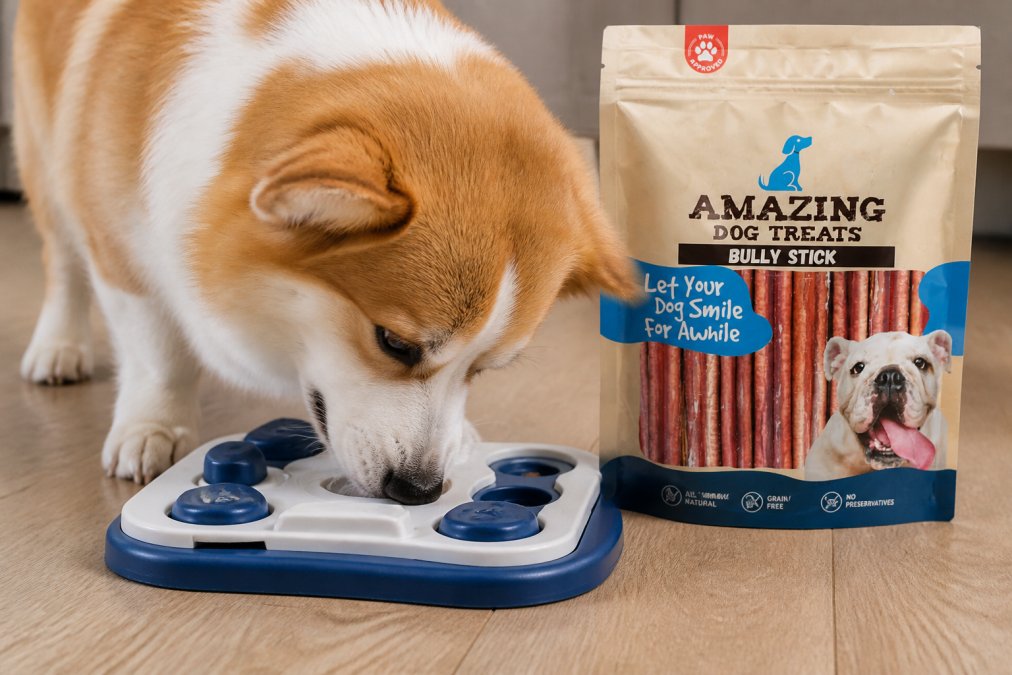
Treat-dispensing balls and cubes work by requiring the dog to roll, shake, or manipulate the toy to release kibble or treats. As the dog chews and plays, pieces fall out randomly, providing variable rewards. This unpredictability keeps the dog engaged longer than a toy that simply sits there. For heavy chewers, choose treat-dispensing toys made from reinforced rubber or nylon that can withstand aggressive manipulation.
Snuffle mats and puzzle boards offer a different approach, the dog uses their nose to search through fabric or move pieces to find hidden treats. These toys require less destructive chewing and more problem-solving. They're excellent for dogs that need mental engagement without the wear-and-tear of aggressive chewing.
Kong-style toys with hollow centers allow you to stuff treats, peanut butter, or wet food inside. The dog works to extract the contents. You can freeze the filling to extend play time. These toys are durable enough for heavy chewers, though the rubber will eventually wear thin with aggressive use. The appeal is the customization, you control what reward goes inside based on your dog's preferences.
Rope toys designed for interactive play (tug-of-war) engage both dog and owner. The Dog Tug Rope Toy from FurEver Finds at $56.99 provides a durable option for interactive sessions. Rope toys should be supervised, the dog shouldn't be left alone with them, as loose fibers pose ingestion risks.

The key difference between interactive and passive toys is engagement level. A dog left alone with a passive chew toy will chew until bored. A dog with an interactive puzzle toy stays engaged longer because there's a goal (extract the treat) and variable rewards (treats fall out unpredictably). For heavy chewers prone to destructive behavior, this extended engagement is worth the investment.
Choosing the Right Size and Durability Level
Toy size and durability must match your dog's jaw strength and mouth size. A toy too small poses choking risk. A toy too soft gets destroyed immediately, leaving your dog frustrated.
Size selection starts with mouth dimensions. A toy should be large enough that your dog can't swallow it whole. A general rule: the toy should be roughly the same length as your dog's snout or larger. For large-breed heavy chewers, that often means toys in the 4-6 inch range minimum. Oversized toys (8+ inches) work well for giant breeds and genuinely aggressive chewers.
Durability levels should match your dog's actual chewing intensity. Light chewers can handle standard rubber toys. Moderate chewers benefit from reinforced rubber or nylon. Heavy chewers need industrial-grade materials, thick rubber compounds, reinforced nylon, or natural chews like bully sticks.
Test toys before committing to bulk purchases. Buy one toy, observe how your dog interacts with it, and note how long it lasts. If it shreds in a day, you need something more durable. If your dog ignores it, you might need a different texture or material preference.
Price correlates with durability but isn't the only factor. An expensive toy made from cheap materials will fail quickly. A moderately priced toy from a reputable manufacturer often outlasts an expensive toy from an unknown brand. Read reviews from owners with similar dogs, their experience is more predictive than marketing claims.
Supervised vs. Unsupervised Play: Safety First
The distinction between supervised and unsupervised play determines which toys are appropriate and how to use them safely.
Supervised play means you're present and watching. You can intervene if the toy is being damaged unsafely, if your dog is struggling, or if toy fragments are being ingested. Rope toys, interactive puzzle toys, and tug toys are best reserved for supervised sessions. You control the duration and can remove the toy before damage occurs.
Unsupervised play means your dog has the toy alone, potentially for hours. In this context, only toys that are genuinely safe if partially destroyed should be available. Solid rubber toys and natural digestible chews (bully sticks, yak cheese) are better choices. Nylon toys and rope toys shouldn't be left unsupervised because fragments pose blockage risks.
Choking hazards are the primary concern. Small toy parts, squeakers, or stuffing can lodge in the throat or digestive system. Heavy chewers are particularly at risk because they work toys aggressively. A toy that's fine for supervised play becomes dangerous if left unsupervised.
Establish a routine: interactive toys come out during play sessions, then get put away. Durable solo toys stay available. Rotate toys to maintain engagement without leaving the same toy available constantly. This approach reduces wear on individual toys and prevents boredom.
Monitor your dog's chewing habits for signs of problems. Excessive drooling, difficulty swallowing, lethargy, or vomiting can indicate a blockage or injury from toy fragments. These are veterinary emergencies. The best approach is prevention: match toys to your dog's safety level and supervise appropriately.
Heavy chewers need toys engineered for their strength, not generic options designed for average dogs. The right durable enrichment toy keeps your dog engaged, reduces destructive behavior, and provides mental stimulation that translates to a calmer, happier companion. FurEver Finds curates premium chew options like bully sticks and rope toys specifically selected for durability and safety. Start with observation, understand your dog's specific chewing intensity, then match toys to that profile. Your dog's satisfaction and your home's integrity depend on getting this choice right.
Frequently Asked Questions
What is the toughest durable enrichment toy for aggressive chewers?
Heavy-duty rubber toys and nylon bones rank among the toughest options for aggressive chewers. Products like bully sticks offer natural durability and high protein content while satisfying the chewing instinct. The best choice depends on your dog's bite force and chewing style, larger breeds with powerful jaws typically need reinforced rubber or rope toys that resist tearing. Rotate toys regularly to prevent wear and extend their lifespan.
How do I choose a safe enrichment toy for a heavy chewer?
Select toys made from non-toxic, food-grade materials that can withstand your dog's bite force. Check that toys have no small parts that could become choking hazards and supervise play with new toys initially. Consider your dog's size and jaw strength, larger breeds need bigger toys. Look for toys designed specifically for heavy chewers rather than general play toys. Inspect toys regularly for damage and replace them if they show signs of tearing or deterioration.
Are rubber enrichment toys safe for aggressive chewers?
Yes, when made from durable, non-toxic rubber, these toys are safe for aggressive chewers. High-quality rubber toys resist puncturing and tearing better than softer materials. Ensure the rubber is food-grade and free from harmful chemicals. However, even durable toys require supervision during play, especially when first introduced. Remove any toy that shows cracks, splits, or pieces coming off, as these create choking hazards.
What are the best long-lasting chew toys for heavy chewers?
Bully sticks, nylon bones, and reinforced rope toys offer excellent longevity for heavy chewers. Natural chews like bully sticks provide mental stimulation and satisfy the chewing urge while being digestible. Nylon bones and heavy-duty rubber toys can last weeks or months with regular use. Puzzle toys with treat-dispensing mechanisms add enrichment and mental stimulation, extending engagement time. Rotate between different toy types to prevent boredom and reduce wear on any single toy.
This article was written using GrandRanker